
Here’s full list of Virat Kohli's 50 ODI centuries as he smashes Sachin's record

News Network
November 15, 2023

kohli.jpg

Virat Kohli broke two significant records held by Sachin Tendulkar during the World Cup semi-final against New Zealand in Mumbai today (November 15). He became the first to score 50 ODI centuries - surpassing Tendulkar's 49 - and also broke Tendulkar's record for most runs in a single edition of the ODI World Cup.

Tendulkar had scored 673 runs in the 2003 World Cup; Kohli passed that tally when he scored his 80th run in Wednesday's semi-final and went on to become the first batter to score 700 runs in a ODI World Cup. By the time Kohli was dismissed for 117 off 113 balls, he had 711 runs in the tournament at an average of 101.57 and strike rate of 90.68.

While Tendulkar had scored his 49th hundred in his 451st ODI innings, Kohli had equalled that landmark in just 277 innings - against South Africa in India's penultimate league game of this World Cup - and then broke the record in his 279th innings. Kohli got to his 50th ODI century with a flick for two off Lockie Ferguson in the 42nd over of India's innings.

As he completed his second run, Kohli celebrated with a leap and a punch in the air, before taking off his helmet, raising his arms and bowing towards the stands, where Tendulkar stood applauding the achievement.

The hundred was Kohli's third of this World Cup to go with five half-centuries in ten matches. In the semi-final, he came into bat in the ninth over of India's innings, with the score on 71 for 1, and put on 93 off 86 balls with Shubman Gill and 163 off 128 balls with Shreyas Iyer. Kohli brought up his half-century off 59 balls and then scored his next 50 runs off 53 deliveries, after seeming to suffer cramps while in his 90s.

Here is the full list of Virat Kohli’s hundreds in ODIs:

1. 107 vs SL (2009) - Kolkata

2. 102* vs BAN (‘10) - Dhaka

3. 118 vs AUS (‘10) - Visakhapatnam

4. 105 vs NZ (‘10) - Guwahati

5. 100* vs BAN (‘11) - Dhaka

6. 107 vs ENG (‘11) - Cardiff

7. 117* vs ENG (‘11) - Delhi

8. 117 vs WI (‘11) - Visakhapatnam

9. 133* vs SL (‘12) - Hobart

10. 108 vs SL (‘12) - Mirpur

11. 183 vs PAK (‘12) - Mirpur

12. 106 vs SL (‘12) - Hambantota

13. 128 vs SL (‘12) - Colombo

14. 102 vs WI (‘13) - Port of Spain

15. 115 vs ZIM (‘13) - Harare

16. 100* vs AUS (‘13) - Jaipur

17. 115 vs AUS (‘13) - Nagpur

18. 123 vs NZ (‘14) - Napier

19. 136 vs BAN (‘14) - Fatullah

20. 127 vs WI (‘14) - Dharamsala

21. 139* vs SL (‘14) - Ranchi

22. 107 vs PAK (‘15) - Adelaide

23. 138 vs SA (‘15) - Chennai

24. 117 vs AUS (‘16) - Melbour

25. 106 vs AUS (‘16) - Canberra

26. 154* vs NZ (‘16) - Mohali

27. 122 vs ENG (‘17) - Pune

28. 111* vs WI (‘17) - Kingston

29. 131 vs SL (‘17) - Colombo

30. 110* vs SL (‘17) - Colombo

31. 121 vs NZ (‘17) - Mumbai

32. 113 vs NZ (‘17) - Kanpur

33. 112 VS SA (‘18) - Durban

34. 160* vs SA (‘18) - Cape Town

35. 129* v SA (‘18) - Centurion

36. 140 vs WI (‘18) - Guwahati

37. 157* vs WI (‘18) - Visakhapatnam

38. 107 vs WI (‘18) - Pune

39. 104 vs AUS (‘19) - Adelaide

40. 116 vs AUS (‘19) - Nagpur

41. 123 vs AUS (‘19) - Ranchi

42. 120 vs WI (‘19) - Port of Spain

43. 114* vs WI (‘19) - Port of Spain

44. 113 vs BAN (‘22) - Chattogram

45. 113 vs SL (‘23) - Guwahati

46. 166* vs SL (‘23) - Thiruvananthapuram

47. 122* vs PAK (‘23) - Colombo

48. 103* vs BAN (‘23) - Pune

49. 101* vs SA (‘23) - Kolkata

50. 117 vs NZ (‘23) - Mumbai

Comments

Add new comment

  • Coastaldigest.com reserves the right to delete or block any comments.
  • Coastaldigset.com is not responsible for its readers’ comments.
  • Comments that are abusive, incendiary or irrelevant are strictly prohibited.
  • Please use a genuine email ID and provide your name to avoid reject.
News Network
January 14,2026

phone.jpg

Bidar (Karnataka): A routine ride turned fatal when a nylon kite string slit the throat of a 48-year-old motorcyclist in Karnataka’s Bidar district, claiming his life in a chilling reminder of the deadly threat posed by banned kite-flying materials.

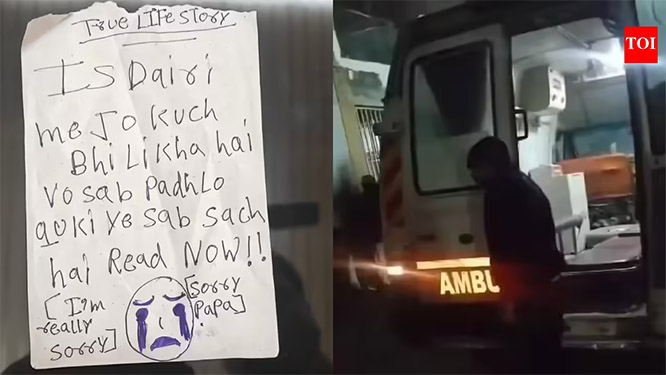
The victim, identified as Sanjukumar Hosamani, was riding near the Talamadagi Bridge when a taut kite string stretched across the road cut deep into his neck, causing profuse bleeding. Critically injured, Hosamani collapsed from his motorcycle but managed to place a final phone call to his daughter.

A disturbing video circulating on social media shows Hosamani drenched in blood, struggling to dial his daughter’s number as life ebbed away.

A passerby attempted to help by pressing a cloth against the wound to stop the bleeding. Locals said an ambulance was called immediately, but it arrived too late. Hosamani succumbed to his injuries before he could be taken to a hospital.

Family members have blamed the delay in emergency response for his death, alleging that timely medical assistance could have saved his life.

Following the incident, Hosamani’s relatives and local residents staged a protest at the accident spot, demanding strict action against the use of nylon kite strings and urgent improvements in emergency medical services.

Police have registered a case at Manna Ekhelli Police Station and said an investigation is underway.

Kite flying during Makar Sankranti is a long-standing tradition across many parts of India. While cotton strings coated with powdered glass were once common, they have increasingly been replaced by cheaper and more durable nylon strings. This durability, however, has proven lethal, as nylon can slice through skin with ease.

Commonly referred to as Chinese manjha, these strings pose a grave danger to two-wheeler riders, who often fail to notice the nearly invisible lines stretched across roads and flyovers.

The Karnataka incident is the latest in a series of such deaths reported across the country. Just this week, a 45-year-old man in Indore died after a kite string slit his throat. Delhi has witnessed multiple fatalities in recent years, including the deaths of a 22-year-old businessman in 2025, a biker in 2022, and a seven-year-old child in 2023.

Despite periodic raids and seizures by authorities, the recurring deaths underline serious gaps in enforcement, raising questions about whether current measures are sufficient to prevent further loss of life.

Comments

Add new comment

  • Coastaldigest.com reserves the right to delete or block any comments.
  • Coastaldigset.com is not responsible for its readers’ comments.
  • Comments that are abusive, incendiary or irrelevant are strictly prohibited.
  • Please use a genuine email ID and provide your name to avoid reject.
News Network
January 16,2026

Cricket’s popularity in India goes far beyond packed stadiums and television ratings. It is a sport that lives on even when no match is being played, through conversations, memories, data, and daily habits. The reason cricket commands such loyalty lies not just in the game itself, but in how deeply it has become part of India’s social and cultural rhythm.

1. A Game That Is Easy to Play, Easy to Love

Cricket’s mass appeal begins at the grassroots level. Unlike many other sports, it doesn’t require specialised infrastructure. A small open space, a bat, and a ball are enough. For decades, children across cities and villages have grown up playing informal games, learning rules instinctively, and developing an early emotional connection with the sport. This early familiarity makes cricket less of a spectacle and more of a shared experience.

2. Players Who Became Cultural Icons

Indian cricket has been shaped by players whose influence extends far beyond the boundary line. Sachin Tendulkar inspired an entire generation with his consistency and humility, becoming a symbol of aspiration in the 1990s. MS Dhoni defined leadership with calm decision-making and led India through some of its most memorable victories. Today, Virat Kohli represents intensity, fitness, and modern professionalism, resonating strongly with younger fans.

These players didn’t just win matches, they shaped conversations, attitudes, and even personal identities. Their journeys are discussed as much as their performances, keeping fans emotionally invested year-round.

3. Storytelling That Extends Beyond the Match

Cricket thrives on narratives. Rivalries, comebacks, and turning points are replayed endlessly in discussions long after a series ends. A close loss or dramatic win often becomes a reference point in everyday conversations. This storytelling culture ensures cricket remains relevant even during breaks in the international calendar.

4. Technology and the Rise of the Second-Screen Fan

Digital platforms have changed how fans follow the sport. Live score apps, ball-by-ball commentary, analytics dashboards, podcasts, and social media debates allow fans to stay connected continuously. Many viewers now watch matches with a second screen in hand, tracking statistics or participating in discussions while the game unfolds.

As engagement has evolved, so have the ways fans interact with the sport off the field. Some analyse data, some play fantasy leagues, while others explore platforms that offer structured prediction-based engagement. In this wider ecosystem, fans may come across curated resources discussing the best cricket betting sites, often as part of broader research into how digital platforms are reshaping cricket-related participation.

5. Cricket as a Social and Cultural Event

Major matches in India are rarely solitary experiences. Families plan gatherings around key games, cafés and offices stream live action, and entire neighbourhoods pause during crucial moments. Cricket aligns naturally with festivals, weekends, and national moods, turning matches into shared social rituals rather than just sporting events.

6. Media That Never Lets the Game Pause

Even when no series is underway, cricket dominates news cycles. Team selections, player fitness, and upcoming tours are analysed continuously by sports media. International developments are closely followed through organisations like the International Cricket Council (ICC), keeping Indian fans connected to the global game.

7. A Sport That Offers Something for Everyone

Perhaps cricket’s greatest strength is its flexibility. Casual viewers enjoy the drama, data enthusiasts dive into numbers, tacticians analyse strategies, and long-time fans follow players’ careers closely. The sport accommodates every level of interest, making it easy for people to engage in their own way.

In India, cricket is not confined to the field of play. It lives on through players, platforms, stories, and shared experiences, long after the final over is bowled. That enduring presence is what truly makes cricket the most followed sport in the country.

Comments

Add new comment

  • Coastaldigest.com reserves the right to delete or block any comments.
  • Coastaldigset.com is not responsible for its readers’ comments.
  • Comments that are abusive, incendiary or irrelevant are strictly prohibited.
  • Please use a genuine email ID and provide your name to avoid reject.
News Network
January 14,2026

utifti.jpg

The National Commission for Allied and Healthcare Professions (NCAHP) has announced that admissions to undergraduate programmes in physiotherapy and occupational therapy will henceforth be conducted exclusively through the National Eligibility-cum-Entrance Test (NEET).

In a press release issued by Prof. U. T. Iftikhar Ali Fareed, Chairman of the Karnataka State Allied and Healthcare Council, stated that the NCAHP has clarified the category-wise degree nomenclature and admission criteria for allied and healthcare undergraduate programmes, effective from the academic year 2026–27.

According to the notification, admissions to the Bachelor of Physiotherapy (BPT) – Category 3 and Bachelor of Occupational Therapy (BOT) – Category 6 will be conducted only through NEET, in accordance with the National Commission for Allied and Healthcare Professions Act, 2021.

All Vice-Chancellors of public, private, and deemed-to-be universities in Karnataka have been asked to ensure strict compliance with the NCAHP guidelines and to disseminate the information widely among affiliated colleges, faculty, and students.

Prof. Ifthikar Ali emphasized that universities must take necessary steps to implement the admission procedure for the academic year 2026–27 and subsequent years.
 

Comments

Add new comment

  • Coastaldigest.com reserves the right to delete or block any comments.
  • Coastaldigset.com is not responsible for its readers’ comments.
  • Comments that are abusive, incendiary or irrelevant are strictly prohibited.
  • Please use a genuine email ID and provide your name to avoid reject.