CD Web Desk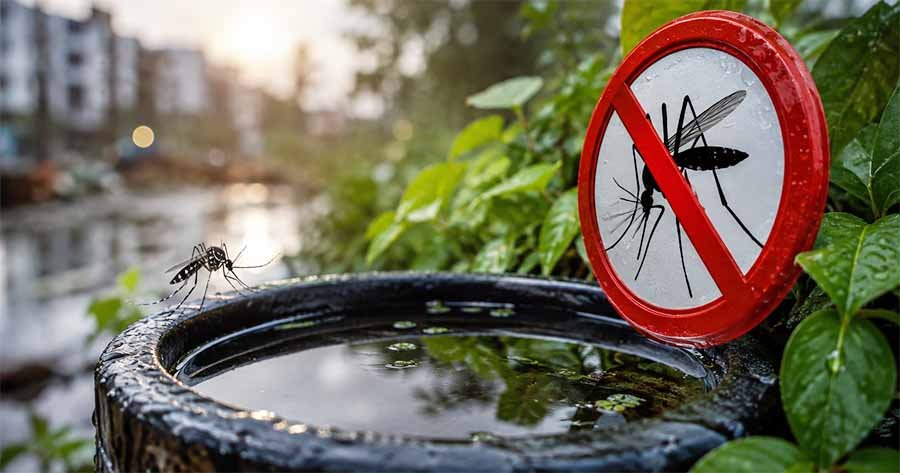
Mangaluru, Aug 10: The Dakshina Kannada Health Department has intensified malaria surveillance following a rise in cases in the district, with workers arriving from other States emerging as a particular focus of its preventive efforts.
The district has recorded 30 confirmed malaria cases over the past two months, of which 23 involve people from outside Dakshina Kannada or other States. A majority of the infections have been reported within Mangaluru city limits.
Health officials said the movement of workers from malaria-affected States such as Bihar, Odisha and Jharkhand is posing an additional challenge to disease-control measures. Some workers may arrive while already experiencing fever or carrying the infection, creating a potential risk of further transmission through mosquitoes.
The department has formed a special team to monitor construction sites, where large numbers of migrant workers are employed. Health personnel are visiting sites, screening workers and collecting blood samples for malaria testing. Awareness programmes are also being conducted, particularly among workers living in vulnerable conditions, to encourage early testing and treatment.
Authorities are also planning awareness initiatives in coordination with construction companies and other establishments. Employers may be advised to ensure that workers arriving from other States undergo malaria screening before joining work.
Meanwhile, intermittent rain followed by periods of sunshine has increased the possibility of mosquito breeding. The Health Department has stepped up door-to-door larval surveys in urban and rural areas to identify stagnant water and other breeding sites.
Residents have been urged to remove stagnant water from discarded containers and other unused items, use mosquito nets and install mesh on doors and windows. Pregnant women have been advised to take additional precautions against mosquito bites. Health officials have also recommended wearing light-coloured clothing and maintaining cleanliness around homes.
People have been cautioned not to ignore fever, particularly during the monsoon, and to seek medical advice promptly rather than taking medicines without consultation.
Officials stressed that public cooperation will be crucial in preventing malaria and other mosquito-borne diseases, including dengue, from gaining further ground during the rainy season.