CD Web Desk
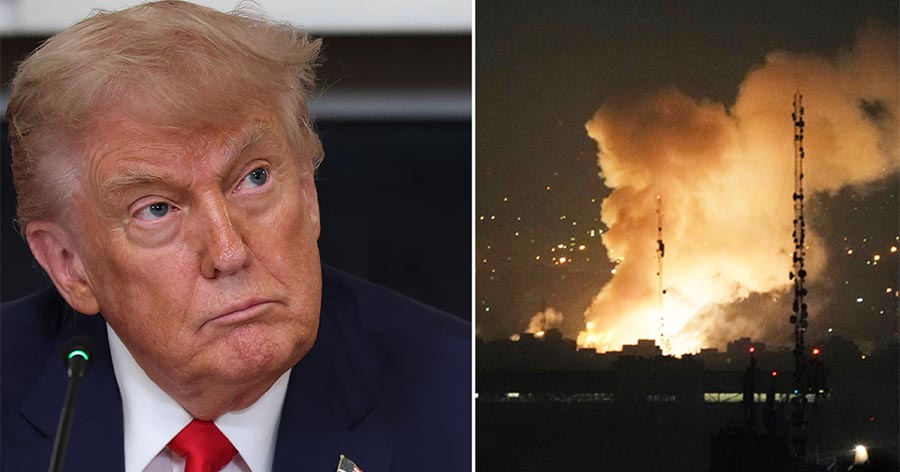
The United States and Iran have agreed to a two-week temporary ceasefire, following last-minute diplomatic efforts led by Pakistan. The agreement helped avoid a planned US military escalation.
Key Conditions of the Ceasefire
• Iran will ensure the safe reopening of the Strait of Hormuz, a vital global energy route.
• The US will suspend military strikes on Iran for two weeks, provided the strait remains open and secure.
• The pause is intended to create space for diplomatic negotiations.
Diplomatic Efforts and Proposal
• Pakistan’s Prime Minister, Shehbaz Sharif, requested the two-week pause to “allow diplomacy to run its course.”
• Iran has presented a 10-point proposal as a basis for talks, which the US described as a workable starting point.
• Talks have been proposed in Islamabad, and Iran has agreed to attend, while the US has not yet confirmed.
Differences and Uncertainties
• There were two versions of Iran’s proposal, with one including recognition of nuclear enrichment and another omitting it.
• Israel has supported the ceasefire with Iran but stated that it does not apply to its operations in Lebanon.
• Some details of the agreement and its long-term impact remain unclear.
Situation on the Ground
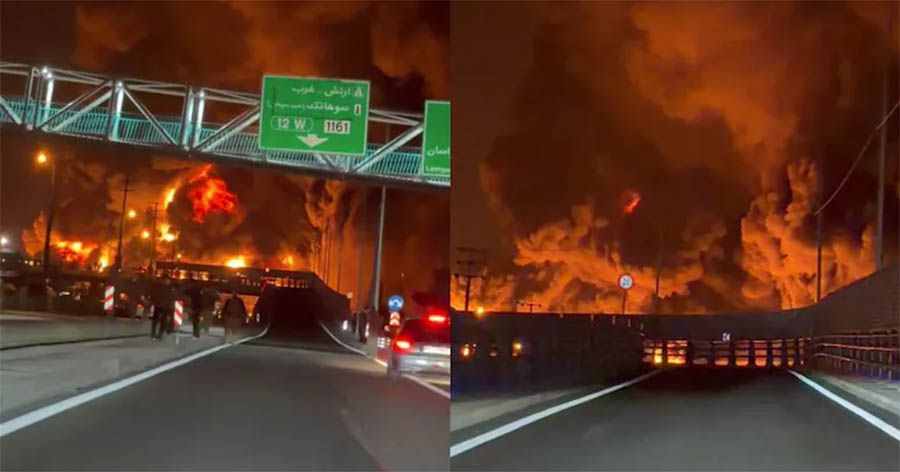
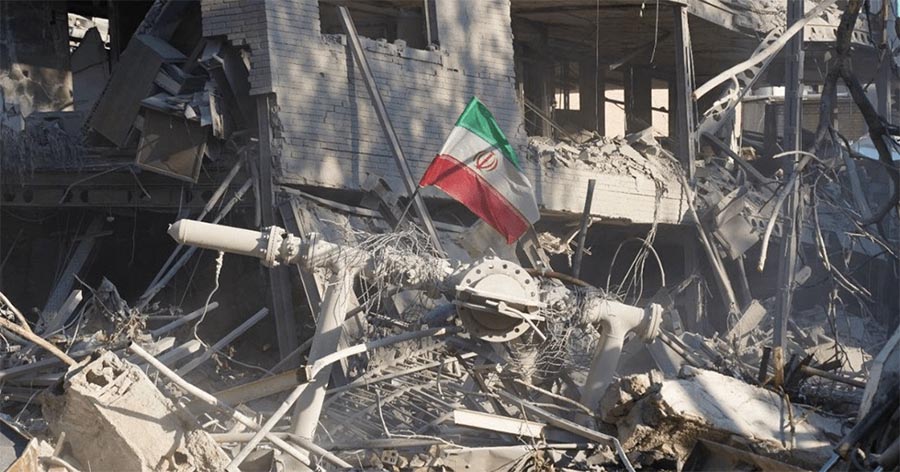
• Despite the announcement, some military activity continued briefly in the region.
• The ceasefire came just hours before a US deadline for potential large-scale strikes.
Global Reaction
• Many countries welcomed the move but urged continued dialogue for a lasting solution.
• Energy markets reacted positively, as reopening the Strait of Hormuz could restore oil and gas flows.
• However, officials cautioned that it is too early to assume stability or lower fuel prices.
What Comes Next
• The two-week period is expected to be used for negotiations on a longer-term agreement.
• Both sides aim to move toward a more stable and lasting peace arrangement, though challenges remain.