CD Web Desk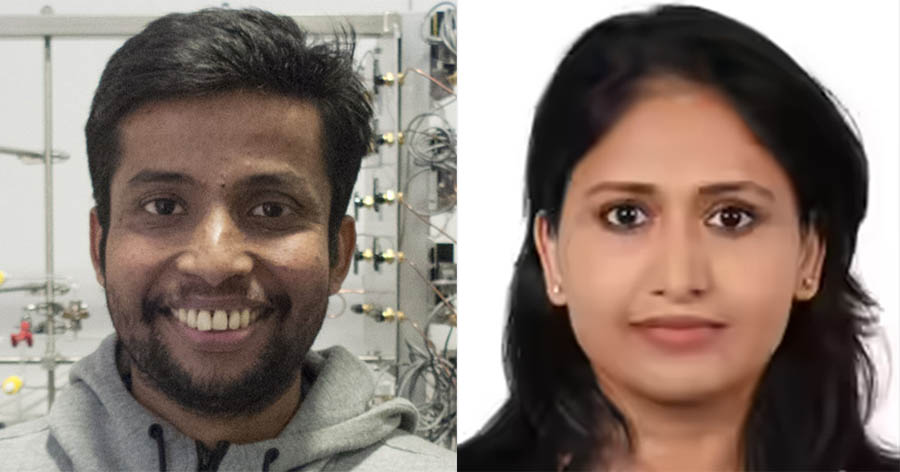
Mangaluru: In a significant advancement for sustainable agriculture and environmental protection, researchers at National Institute of Technology Karnataka (NITK) Surathkal have developed an innovative biochar–microbe system that can remove toxic pollutants from soil and water while simultaneously improving soil fertility and plant growth.
The research was led by Dr Vaishakh Nair, Assistant Professor in the Department of Chemical Engineering, who along with his team designed synergistic biochar–microbe complexes using locally available agricultural residues and beneficial microorganisms. Farm waste such as rice husks, peanut shells, coconut shells, and sugarcane bagasse was converted into biochar and engineered to immobilise functional bacteria, including Pseudomonas stutzeri, Aeromonas veronii, and Bacillus species.
According to the research findings, the developed system demonstrated high efficiency in removing hazardous contaminants from soil and water, including heavy metals such as cadmium, nickel, and hexavalent chromium, as well as harmful pesticides like chlorpyrifos. Laboratory validation showed removal efficiencies of up to 92% for heavy metals and 96% for pesticides. The immobilised biochar–microbe complexes were also found to be 31% to 48% more effective than using biochar or microbial cells individually.
Researchers explained that the effectiveness of the technology lies in its dual-action mechanism. The porous structure of biochar physically adsorbs pollutants, while the immobilised microbes biologically degrade or transform toxic substances into less harmful forms. This combined physical and biological process significantly enhances overall bioremediation performance.
Beyond pollution control, the study also highlighted improvements in soil health and agricultural productivity. The biochar–microbe system increased soil water-holding capacity by up to 41.5% and improved crop growth indicators, including seed vigour, in plants such as spinach, okra, and tomato. These results indicate strong potential for practical application in improving soil quality and supporting sustainable farming practices.
The research work led to a patent titled “Method of Developing Pseudomonas stutzeri Immobilised Rice Husk Biochar.” The primary research was carried out by Soumya Koippully Manikandan under the guidance of Dr Vaishakh Nair as part of her thesis on microbial cell immobilised biochar for the bioremediation of metal ions and pesticides from soil and water.
The researchers noted that Indian soils are increasingly threatened by industrial waste and excessive use of agrochemicals, which introduce toxic heavy metals and pesticide residues, reducing soil fertility and posing health risks. Converting locally available agricultural waste into functional biochar offers a sustainable and cost-effective solution for restoring soil health, managing farm residues, and promoting climate-resilient agriculture. The innovation also aligns with national sustainability initiatives aimed at improving soil quality, reducing environmental pollution, and strengthening long-term food security.