CD Web Desk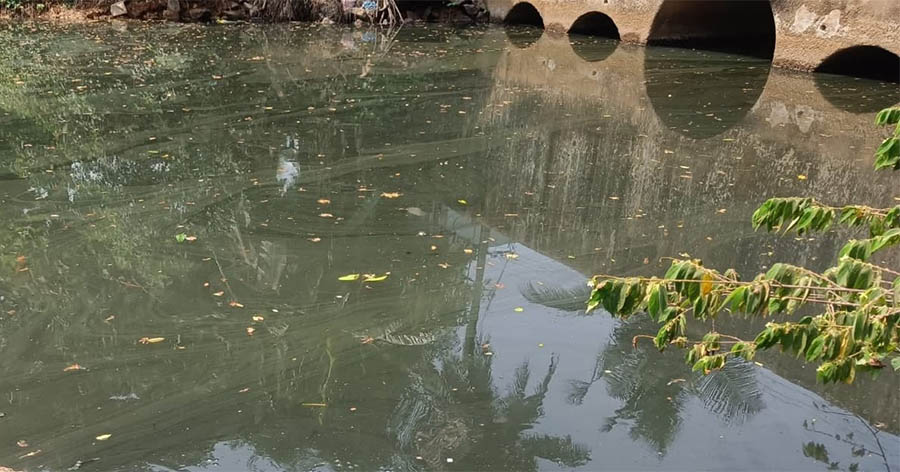
Mangaluru is witnessing a slow and disturbing environmental collapse—one that many see, smell, and endure every day, yet has not received the urgency it deserves. The Phalguni River, once a vibrant lifeline of Tulu Nadu, is now turning into a channel of pollution, raising serious concerns about public health, governance, and accountability.
For generations, the river has been more than just a water body. It has sustained villages with drinking water, supported farmers and inland fishing communities, and formed the backbone of local livelihoods. Today, that very river is gasping for survival. What was once clean and life-giving is now reportedly discoloured, foul-smelling, and increasingly lifeless.
According to the Save Phalguni River Horata Samithi, the deterioration did not happen overnight. For over a decade, repeated efforts and warnings have been made to protect the river. Yet, the situation has only worsened. The Samithi alleges that major industrial units continue to discharge untreated waste into the river through the Kadumbur and Thokur streams, effectively turning them into conduits of contamination.
Equally alarming is the alleged failure of civic infrastructure. Despite securing substantial funds, including loans for underground drainage systems, authorities have been unable to prevent sewage from entering the river. Allegations of corruption, poor execution, and administrative negligence have further compounded the crisis, leaving the system ineffective and the river exposed to continuous pollution.
The consequences are now visible and deeply worrying. In recent weeks, stretches of the river from Maravoor Dam to Thannirbhavi have reportedly lost their natural colour. A strong stench hangs in the air, while dead fish and other aquatic creatures floating on the surface paint a grim picture of ecological damage. More troubling is the reported contamination of groundwater, putting the health and safety of countless residents at risk.
Even intervention from bodies like the National Green Tribunal, which has taken suo motu cognisance of the issue, has not yet translated into meaningful action on the ground. Questions are now being raised about the accountability of the Pollution Control Board, KIADB, and the district administration, all of whom are expected to safeguard the region’s environmental and public health interests.
In response to what they describe as prolonged inaction, the Save Phalguni River Horata Samithi, with the backing of local residents and organisations, has called for a massive protest on March 27 in front of the Pollution Control Board office at Baikampady Industrial Area. The protest aims to send a strong message to the authorities—that the people of the region will no longer remain silent while their river, their health, and their future are put at risk.