CD Web Desk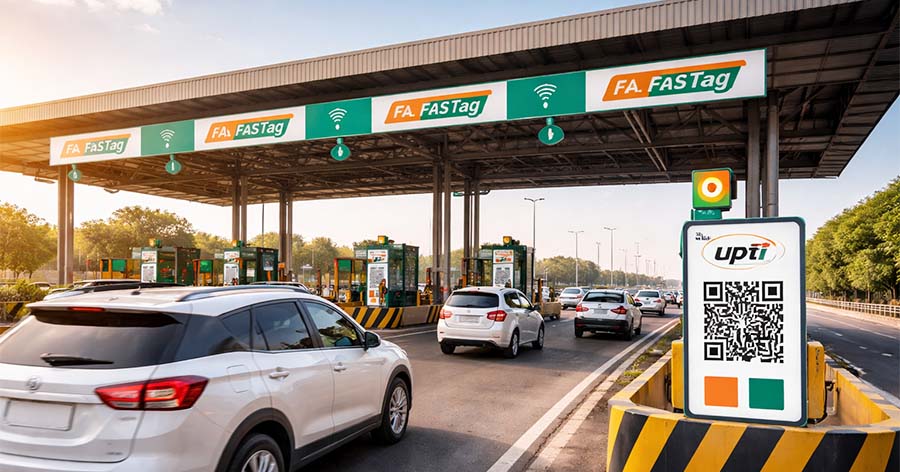
Cash payments at National Highway toll plazas across India are likely to be phased out from April 1, 2026, as authorities push for a fully digital toll collection ecosystem.
The proposal is under consideration by the National Highways Authority of India (NHAI), which plans to make all toll payments exclusively digital through platforms such as FASTag and the Unified Payments Interface (UPI).
All toll payments to go digital
If implemented, commuters travelling on National Highways and Expressways will no longer be able to pay toll in cash. Instead, payments would be accepted only through:
• FASTag (RFID-enabled electronic toll collection system)
• Unified Payments Interface (UPI)
The shift is aimed at strengthening the gains made under Electronic Toll Collection (ETC) and improving the efficiency and reliability of toll plaza operations nationwide.
Over 98% FASTag penetration
FASTag adoption in India has crossed 98%, fundamentally transforming toll collection practices over the past few years. A majority of toll transactions are already processed electronically through RFID-enabled FASTags affixed to vehicles, allowing seamless and contactless movement across plazas.
In addition, UPI payment facilities have been introduced at National Highway toll plazas, offering commuters a quick and widely accessible digital payment alternative.
Revised user fee rules already in place
Under the existing National Highway fee framework, vehicles entering a toll plaza without a valid and functional FASTag and opting to pay in cash are charged double the applicable user fee.
Meanwhile, commuters using UPI currently pay 1.25 times the applicable toll fee for their vehicle category. These provisions have already reduced reliance on cash and accelerated the digitisation of toll collection systems.
Focus on reducing congestion and delays
Operational assessments at toll plazas indicate that cash transactions often lead to longer queues, congestion during peak hours and occasional disputes over payments.
A complete transition to digital-only payments is expected to:
• Improve lane throughput
• Reduce congestion at toll plazas
• Minimise transaction delays
• Enhance transparency and consistency in toll collection
The proposed shift would impact more than 1,150 fee plazas across National Highways and Expressways in the country.
Towards a tech-driven highway network
The move aligns with NHAI’s broader vision of developing a technology-driven and high-efficiency highway network. By eliminating cash transactions, authorities aim to deliver faster, seamless and hassle-free tolling services, thereby improving the overall ease of commuting for highway users.
If rolled out from April 1, 2026, the initiative would mark a major milestone in India’s transition towards fully digital infrastructure and smarter transportation systems.