CD Web Desk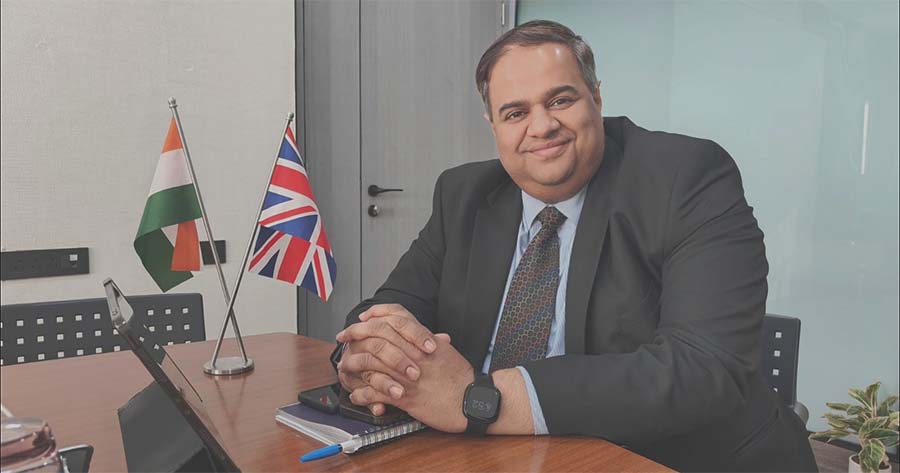
Mangaluru: Dakshina Kannada’s export-oriented economy is poised to benefit from the India-UK Comprehensive Economic and Trade Agreement (CETA), with products such as cashew nuts and seafood expected to gain improved access to British markets, British Deputy High Commissioner to Karnataka and South India Chandru Iyer said in Mangaluru on Thursday.
Addressing reporters, Iyer said the landmark trade agreement would create fresh opportunities for businesses across Karnataka, with Dakshina Kannada emerging as one of the regions well-positioned to expand exports to the United Kingdom.
Expressing optimism about the district’s prospects, he said he would like to see Dakshina Kannada’s cashew products, shrimp, seafood and even local ice cream brands becoming familiar names in the UK. He added that the district’s strong legacy in education, banking and exports makes it an attractive destination for greater British investment.
Beyond Dakshina Kannada, the agreement is expected to open new avenues for several of Karnataka’s iconic products. Traditional products such as Mysuru Sandal Soap, Chikmagaluru coffee, Byadgi chillies, Channapatna toys, Mysuru silk, along with cashew nuts and seafood from Dakshina Kannada, are expected to enjoy improved access to UK markets under the new trade framework.
Iyer said Karnataka is likely to be among the biggest beneficiaries of the trade agreement because of the state’s diverse range of products and services. To ensure businesses make the most of these opportunities, the British Deputy High Commission, the Karnataka government and the Directorate General of Foreign Trade (DGFT) will jointly conduct awareness programmes for farmers, entrepreneurs and exporters.
Highlighting the mission’s “Beyond Bengaluru” approach, he said efforts are underway to encourage British investment in regions outside the state capital and strengthen economic partnerships across Karnataka.
According to Iyer, Karnataka is already the third-largest destination for British investment in India, and the new trade agreement is expected to encourage more UK companies to establish or expand operations in the state.
He also expressed hope that British universities would explore opportunities in Dakshina Kannada, noting the region’s long-standing reputation as an educational hub.
Speaking about broader ties between the two countries, Iyer said people-to-people connections have strengthened significantly in recent years, supported by an increase in weekly flights between India and the UK. He added that the UK remains a preferred destination for Indian students and that the Young Professionals Visa Scheme is being promoted to encourage greater exchange in education, employment and tourism.
Responding to questions on global geopolitical uncertainties, Iyer said the India-UK partnership remains strong. He noted that the agreement is among the first between two major economies to include dedicated chapters on gender equality, sustainability, digital trade and small and medium enterprises (SMEs).
He added that bilateral trade currently stands at around 48 billion pounds and is projected to increase by a further 25 billion pounds in the long term under the new agreement.