CD Web Desk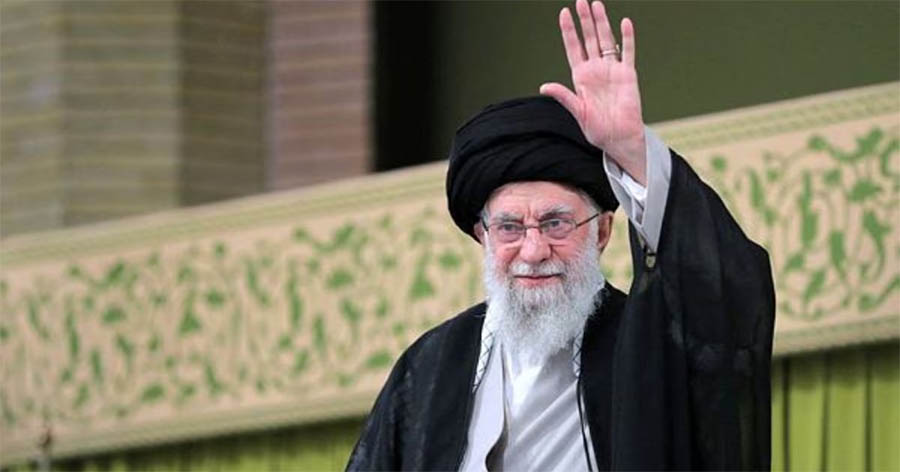
Iran’s Supreme Leader Ayatollah Ali Khamenei, who led the Islamic Republic for more than three decades and played a defining role in shaping its political and regional trajectory, was martyred at the age of 86 following large-scale military strikes on Iran in the early hours of Saturday, February 28.
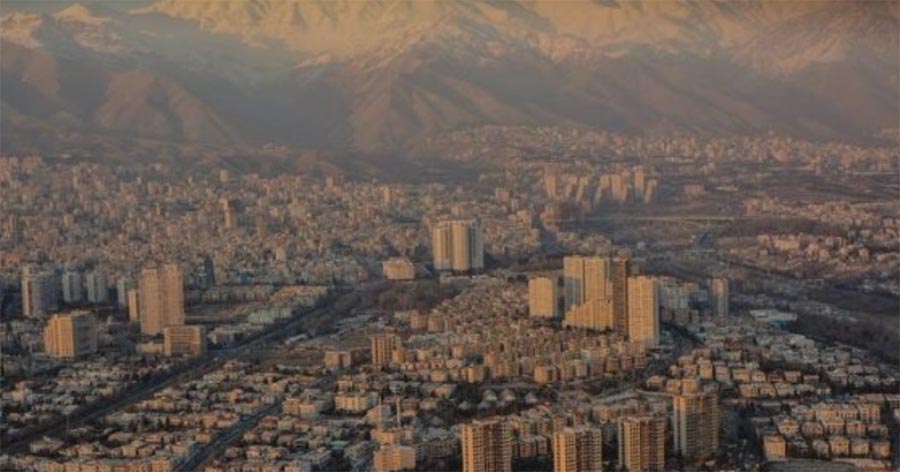
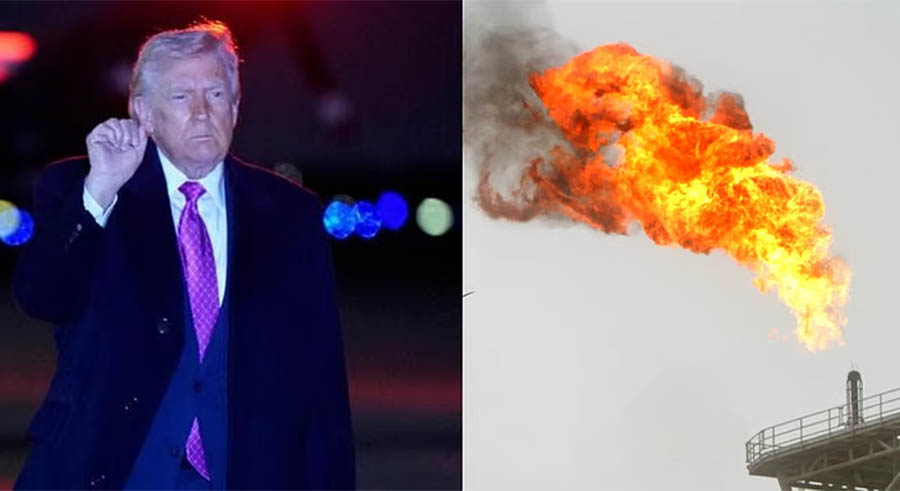
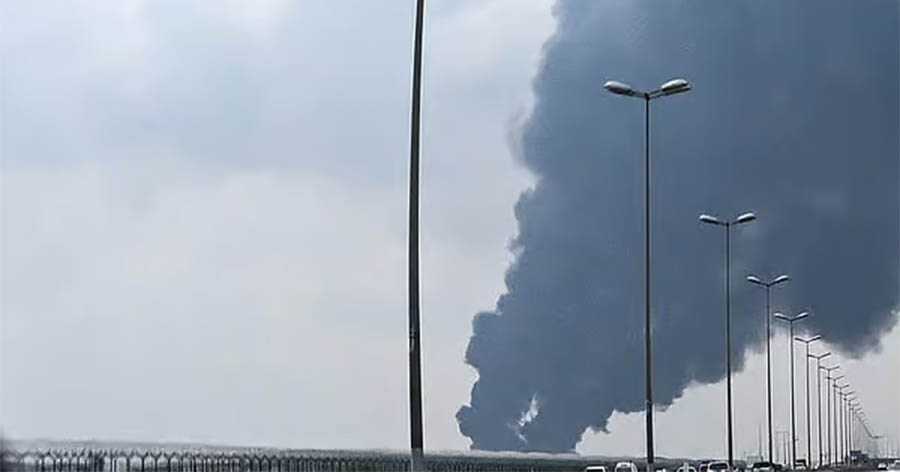
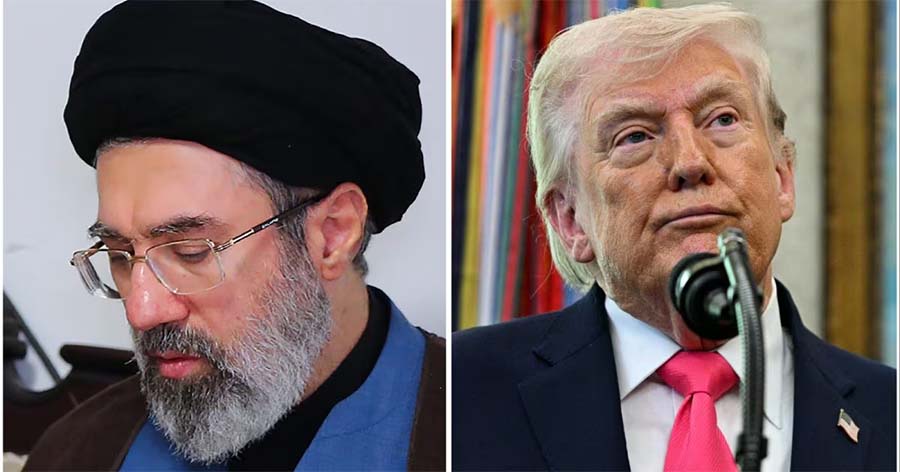
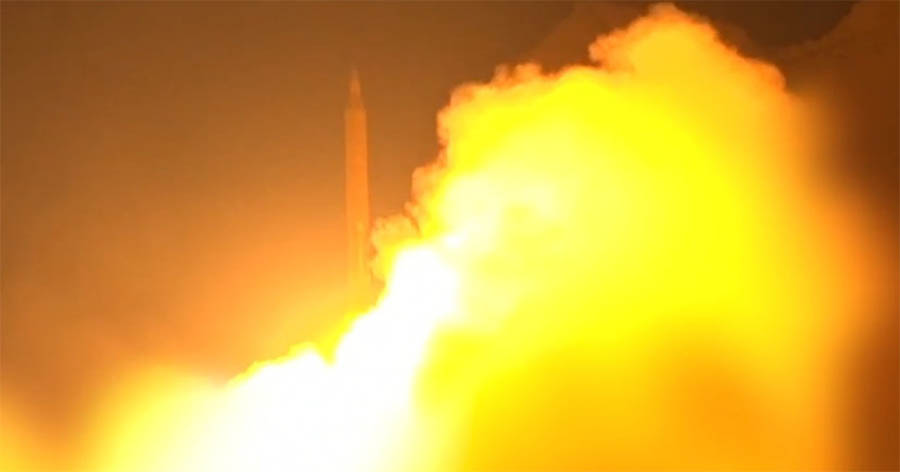
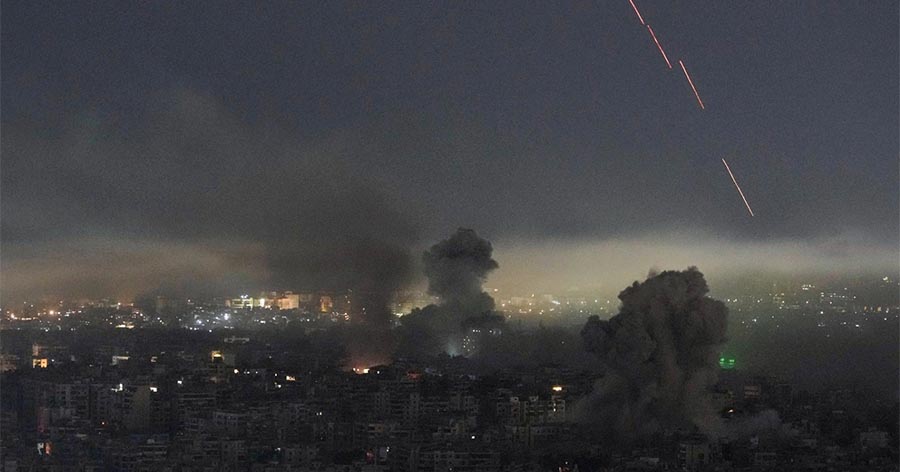
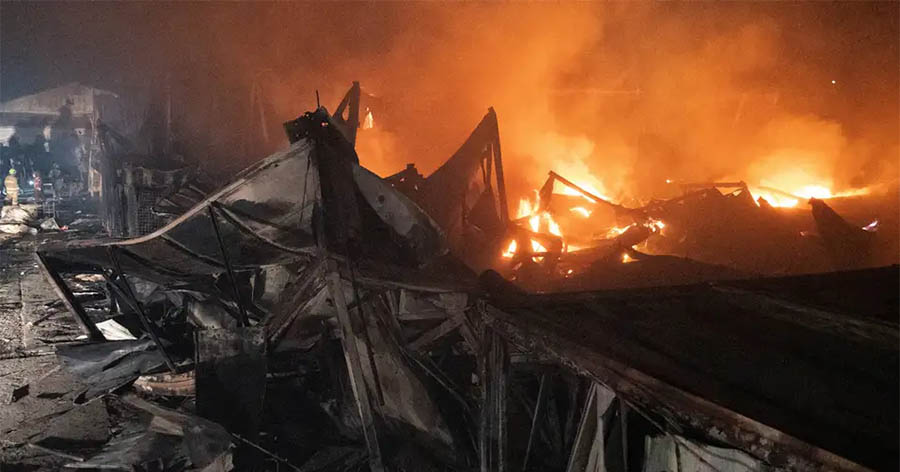
Iranian state media reported that multiple cities, including Tehran, were targeted in coordinated strikes launched by the United States and Israel. US President Donald Trump later confirmed Khamenei’s death in a public statement.
Iran responded with strikes across parts of the Gulf region, as well as Iraq, Jordan and Israel, marking a sharp escalation in tensions.
His martyrdom comes at a time of significant internal and external challenges for Iran. Protests that began in late December over economic difficulties expanded into broader political demonstrations. Various human rights groups reported high casualties during the unrest, though official figures differed.
From revolution to leadership
Born in 1939 in Mashhad to a clerical family of Azerbaijani origin, Khamenei studied Shiite theology and became involved in political activism during the years leading up to the 1979 Islamic Revolution. He was a close associate of Ayatollah Ruhollah Khomeini and played an active role in consolidating the new political order after the revolution’s success.
Khamenei served as President of Iran from 1981 to 1989 during the Iran-Iraq War, becoming the first cleric to hold the presidency. Following Khomeini’s death in 1989, he was selected by the Assembly of Experts as Supreme Leader, assuming the highest religious and political authority in the country.
Over the years, he strengthened state institutions and oversaw the consolidation of Iran’s governing structure, combining elected bodies with clerical oversight.
Domestic governance
During his leadership, Iran continued to hold presidential and parliamentary elections within the framework of its constitutional system. The Guardian Council maintained responsibility for vetting candidates and supervising legislation.
Khamenei presided over the expansion of key national institutions, including the Islamic Revolutionary Guard Corps (IRGC), which developed into a significant military, security and economic actor within the country.
His tenure coincided with periods of economic strain, influenced by international sanctions, currency fluctuations and structural challenges. Inflation and currency devaluation affected daily life in recent years, contributing to waves of protest. Authorities responded with security measures aimed at restoring order.
Despite periods of unrest, Iran’s core institutions remained intact, reflecting the resilience and continuity of the system under his leadership.
Regional and international policy
Khamenei was widely regarded as the chief architect of Iran’s regional strategy. Tehran deepened its ties with allied movements and governments across the Middle East, including Hezbollah in Lebanon, Shiite groups in Iraq, the government of Bashar al-Assad in Syria, and Yemen’s Houthi movement. Iran also maintained support for Palestinian groups, including Hamas.
Relations with the United States and Israel remained tense throughout his tenure. At the same time, Iran expanded its partnerships with Russia and China and strengthened ties with countries in Asia, Africa and Latin America. Under his leadership, Iran formally joined the BRICS grouping in 2024.
He authorized Iran’s participation in negotiations that led to the 2015 nuclear agreement, known as the Joint Comprehensive Plan of Action, under which Iran accepted limits on its nuclear program in exchange for sanctions relief. The United States withdrew from the agreement in 2018. In subsequent years, Iran gradually adjusted its commitments under the deal.
Succession
According to Iran’s constitution, the Supreme Leader is chosen by the Assembly of Experts, an 88-member clerical body elected by the public. The assembly is responsible for selecting a successor upon the death or incapacity of the incumbent.
In recent months, discussions about succession had intensified. Several senior figures have been mentioned in political circles, though no official announcement has yet been made regarding the next leader.
Ayatollah Ali Khamenei’s martyrdom marks only the second leadership transition in the history of the Islamic Republic since 1979. For more than 35 years, he remained at the center of Iran’s political and religious life, leaving a lasting imprint on the country’s institutions and its regional and international engagement.