CD Web Desk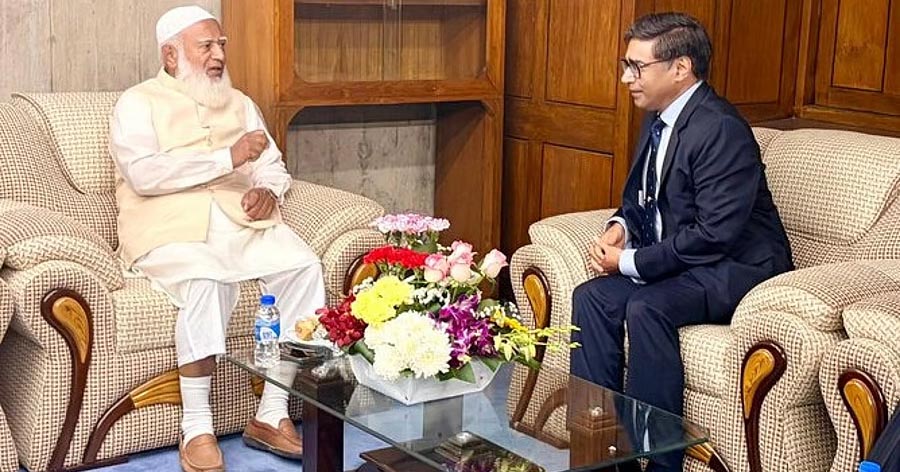
New Delhi: In a significant diplomatic outreach, the Narendra Modi-led government on Tuesday engaged with Jamaat-e-Islami Bangladesh, signalling a willingness to move beyond past tensions and recalibrate ties with the neighbouring country’s new political leadership.
The outreach coincided with the swearing-in ceremony of Bangladesh’s new Prime Minister, Tarique Rahman, in Dhaka. Lok Sabha Speaker Om Birla represented India at the ceremony, while Foreign Secretary Vikram Misri held a courtesy meeting with Shafiqur Rahman, the Ameer of Jamaat-e-Islami, which secured 68 of the 299 parliamentary seats in the recent elections and has emerged as the principal Opposition party.
Following the oath-taking ceremony, Birla met Prime Minister Rahman, congratulated him on assuming office, and handed over a letter from Prime Minister Narendra Modi inviting him to visit New Delhi at the earliest opportunity.
Separately, Misri met Shafiqur Rahman, who has been appointed Leader of the Opposition in the newly constituted Jatiya Sangsad. During the meeting, Misri conveyed India’s greetings and reaffirmed New Delhi’s commitment to strengthening people-centric ties with Bangladesh. According to a post by the Indian High Commission in Dhaka on X, Shafiqur underscored the deep civilisational bonds between the two countries and expressed hope for enhanced bilateral cooperation.
Jamaat-e-Islami Bangladesh has historically been viewed with caution in India due to its past positions, including its opposition to the 1971 Liberation War that led to Bangladesh’s independence from Pakistan. The party has also previously criticised former Prime Minister Sheikh Hasina for what it described as compromising Bangladesh’s sovereignty to maintain close ties with India.
After the fall of the Awami League government, Jamaat leaders had questioned New Delhi’s decision to allow Sheikh Hasina to remain in India. Prime Minister Rahman has since stated that Dhaka seeks a relationship with India based on mutual respect and shared interests.
Ahead of the elections, however, the Jamaat chief adopted a more conciliatory tone, reiterating his party’s support for constructive and stable relations between Bangladesh and India.