CD Web Desk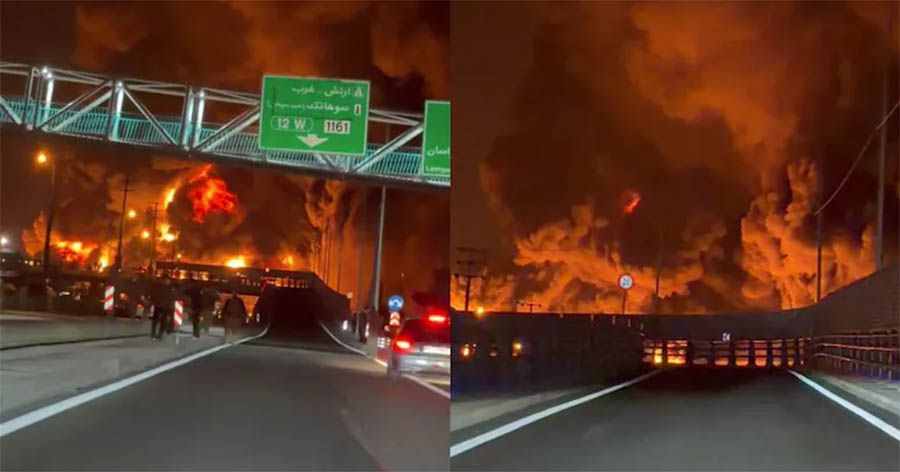
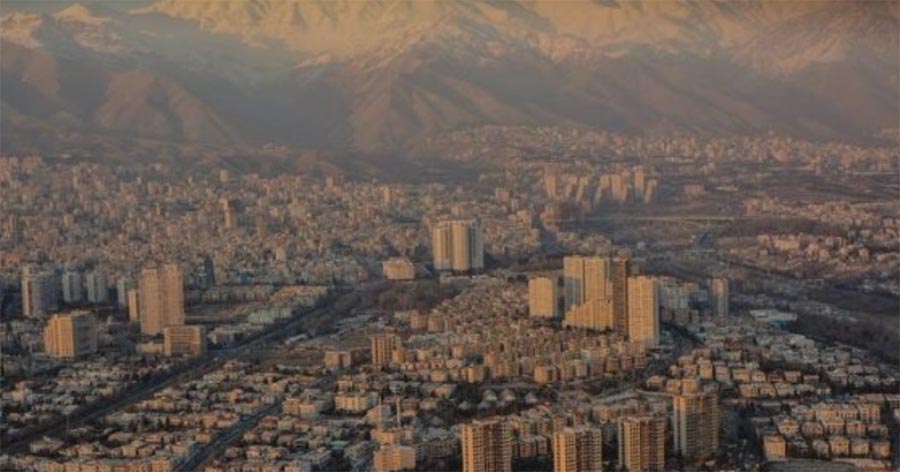
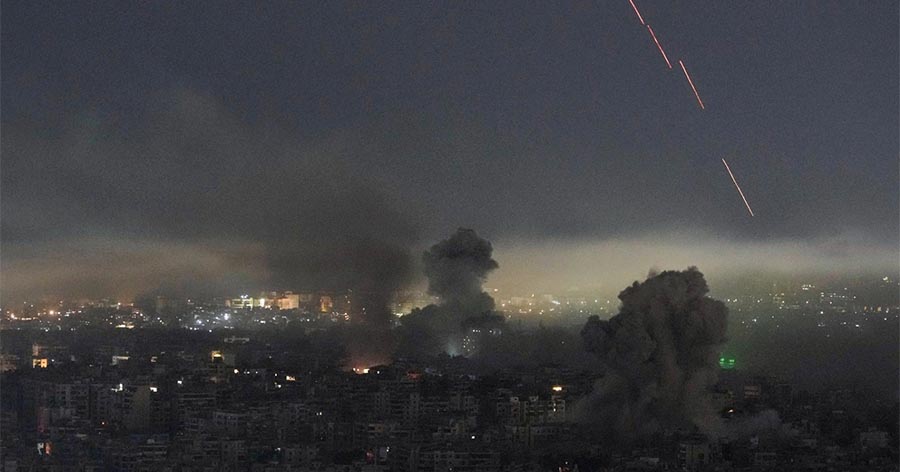
Massive blasts and towering plumes of smoke lit up Tehran after Israeli airstrikes targeted several key fuel depots in the Iranian capital. Many were killed, the CEO of the National Iranian Oil Products Distribution Company said.
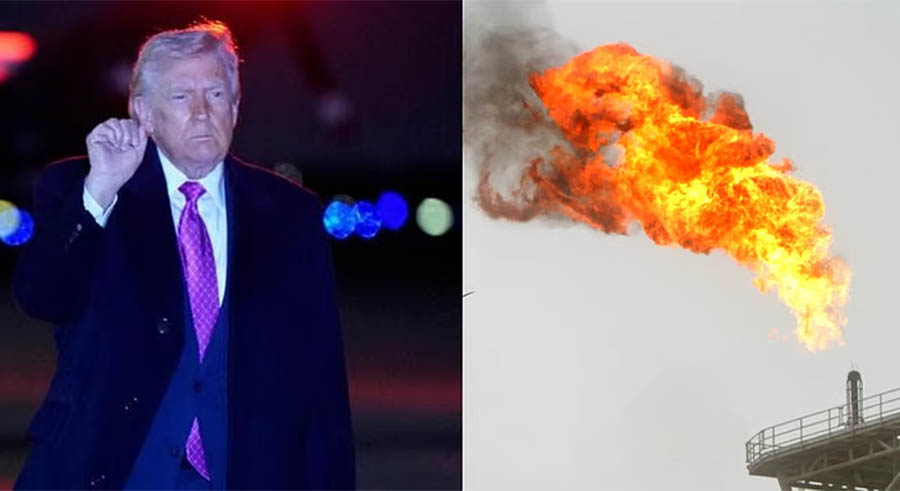
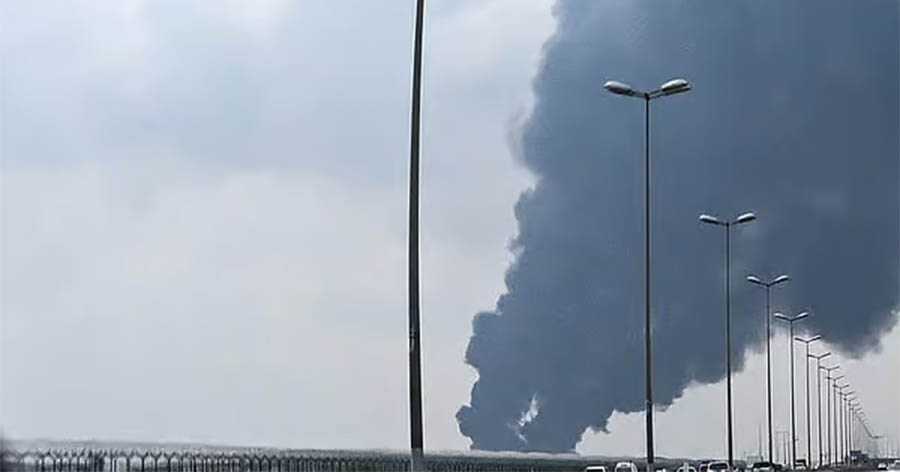
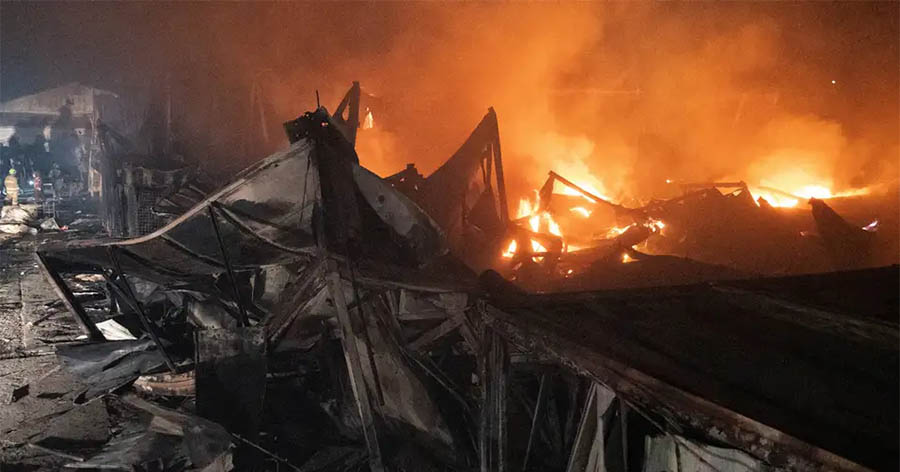
Warplanes hit multiple oil depots in and around Tehran, igniting huge fires and sending thick black smoke across the skyline, visible even in neighbouring areas such as Karaj. Footage showed fireballs, long columns of smoke, and flames lighting up the night sky, while explosions shook parts of the city.
Videos captured fire along roads where leaking fuel had caught fire. Residents described a “river of fire” flowing through city streets. Major depots affected included Shahran and Aghdasiyeh, as well as a petroleum products transport center. Emergency crews worked through the night to contain the blazes.
Blackened rainwater fell over the city after the strikes, CNN reporter Frederik Pleitgen said in a video on X. It was reported to be rainwater mixed with oil and soot from burning storage facilities and fuel.
The strikes hit at least five oil facilities in and near Tehran, including four storage depots and a petroleum products transport centre, Iranian officials said.
The fires were later brought under control, though fuel distribution was “temporarily interrupted” as damage was assessed. Smoke from the fires left a dark haze over the capital into Sunday morning, and residents reported the smell of burning fuel lingering in the air.
Iran’s authorities acknowledged the explosions and fires but said its fuel reserves remained secure.
The Israeli military confirmed its air force struck “fuel storage facilities in Tehran” to prevent their use by Iran’s military, as per France24.
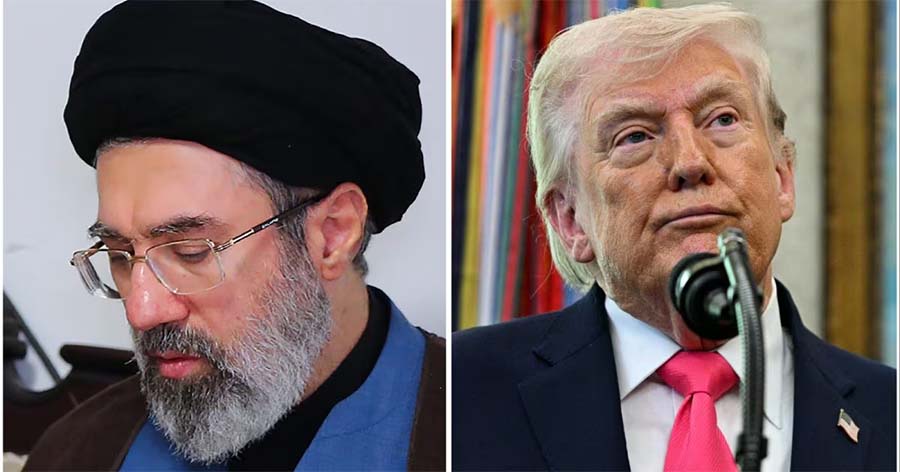
“This is a warning,” said Israel on its Farsi-language social media account, targeting Iran’s Assembly of Experts choosing a successor to the late Supreme Leader Ayatollah Ali Khamenei. “We warn all those who intend to participate in the successor selection meeting that we will not hesitate to target you. This is a warning!”
Iran’s Assembly of Experts, the body responsible for selecting the country’s next supreme leader, has reportedly reached a decision, though no name has been announced.
The US and Israel’s latest war on Iran began on February 28 with a coordinated air and missile offensive that assassinated Ayatollah Khamenei and other top military officials.
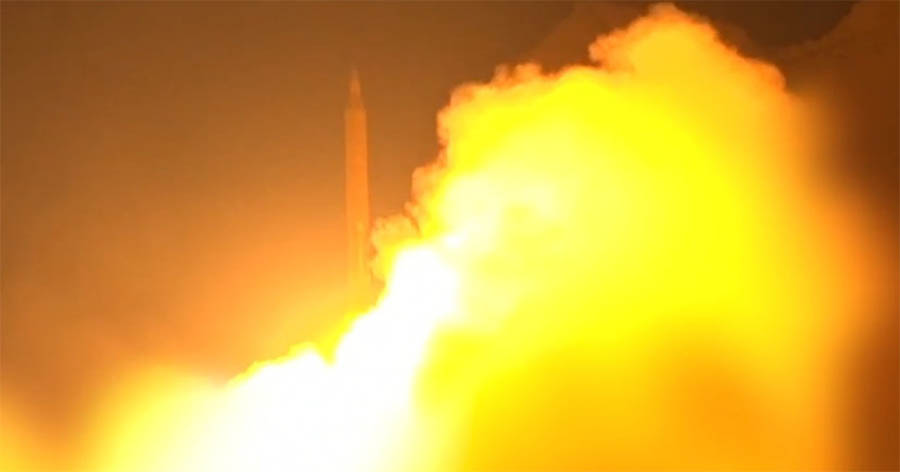
Iran’s Revolutionary Guards vowed to continue fighting for months. Guards spokesman Ali Mohammad Naini said Iran had only used first- and second-generation missiles so far but would use “advanced and less-used long-range missiles” in coming days. “The Armed Forces of the Islamic Republic of Iran are capable of continuing at least a 6-month intense war at the current pace of operations,” Naini told Fars news agency.
The regional conflict has escalated across the Gulf. In Lebanon, Israeli strikes targeted Hezbollah positions and central Beirut, killing at least four in a hotel and 294 over the past week. Saudi authorities intercepted drones aimed at Riyadh’s diplomatic quarter, while Kuwait and Bahrain reported Iranian drone strikes on fuel tanks and a desalination plant, respectively.
Israel carried out around 3,400 strikes on Iran since February 28. Overnight attacks hit 16 military aircraft at Mehrabad Airport and multiple oil depots, temporarily interrupting fuel distribution in Tehran.
Since February 28, Israel has carried out approximately 3,400 strikes on Iran, including overnight attacks that damaged 16 military aircraft at Tehran’s Mehrabad Airport. Kuwait has announced precautionary cuts in crude oil production due to threats in the Strait of Hormuz.
At least 1,200 civilians have been killed and around 10,000 wounded, as per Iran’s health ministry.