CD Web Desk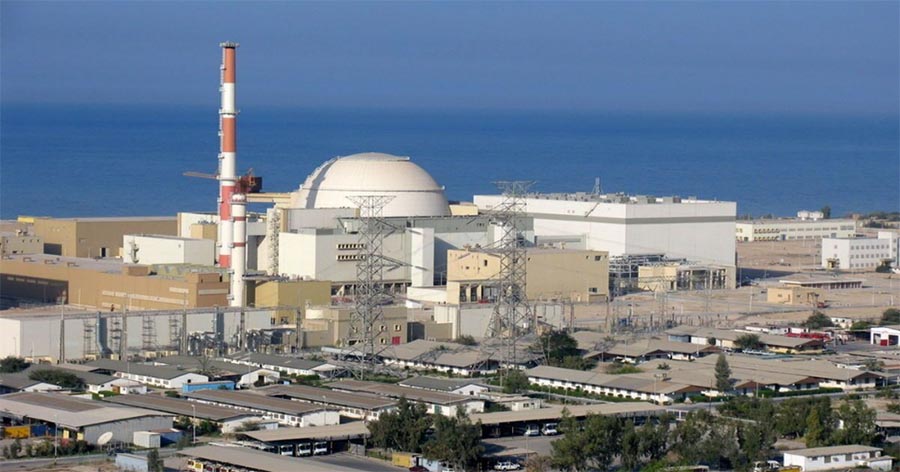
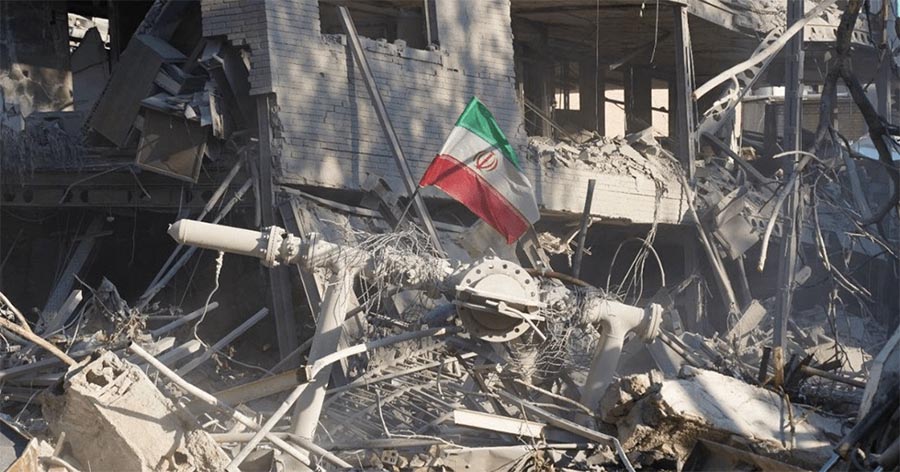
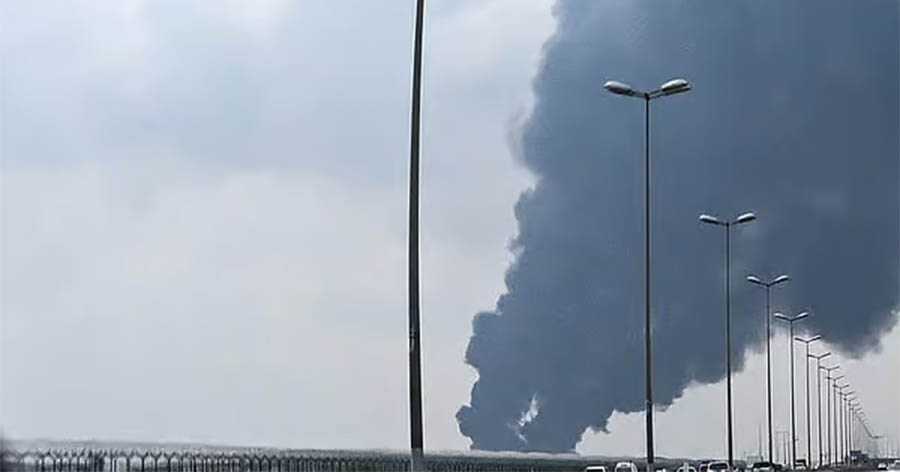
A projectile landing just 350 metres from Iran’s Bushehr nuclear power plant on Saturday — the fourth such strike since February 28 — has raised alarm across the Gulf region.
Iranian Foreign Minister Abbas Araghchi warned that continued attacks on the coastal facility could trigger radioactive fallout that would “end life in GCC capitals, not Tehran.”
Why Bushehr Matters
Bushehr is Iran’s only operational civilian nuclear plant. Construction began in 1975 under the Shah with Germany’s Siemens, but was halted after the 1979 Islamic Revolution and the Iran-Iraq War. Russia later completed the project, handing it over in 2013.
Located on Iran’s southern coast, the plant runs a 1,000-megawatt reactor and supplies around 1–2% of the country’s electricity. Expansion work is underway to add two more reactors.
The facility uses low-enriched uranium from Russia, but also stores large quantities of spent fuel. Experts warn that this includes highly radioactive material such as caesium-137, which could be dangerous if released.
Why the Gulf Is Concerned
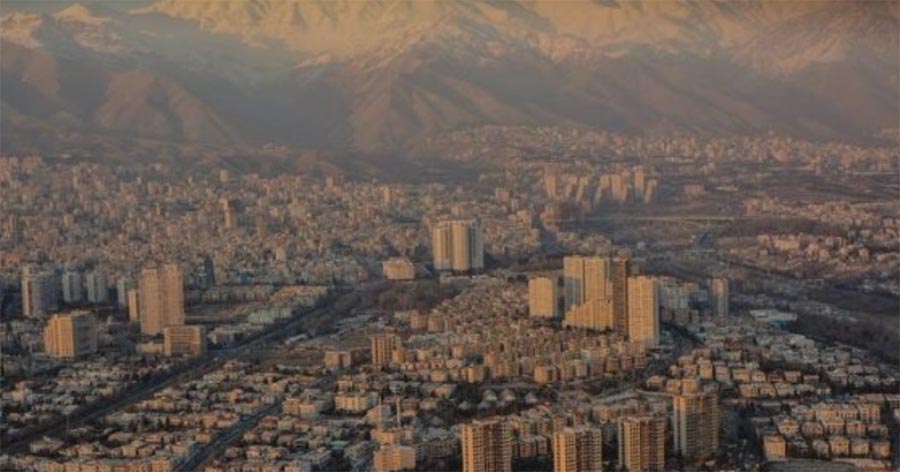
Bushehr lies closer to Gulf capitals like Kuwait City, Manama and Doha than to Tehran. Millions in these countries depend almost entirely on desalinated water from the Gulf — making them highly vulnerable to contamination.
A direct hit on the reactor or its fuel storage could release radioactive particles into the air and sea. Prevailing winds and geography could push fallout toward Kuwait, Bahrain, Qatar and the UAE, potentially contaminating water, soil and food supplies for years.
Experts also warn that even limited radiation in seawater could disrupt desalination, threatening water security across the region.
Though modern reactors are designed to shut down automatically during attacks, damage to cooling systems could still trigger a meltdown.
Wider Nuclear Risks
Iran has several other key nuclear facilities, including Natanz, Fordow, Isfahan and Arak — some of which have also been targeted in the past.
Past disasters such as the Chernobyl disaster and Fukushima nuclear disaster highlight the long-term risks, from mass evacuations to lasting environmental and health damage.