CD Web Desk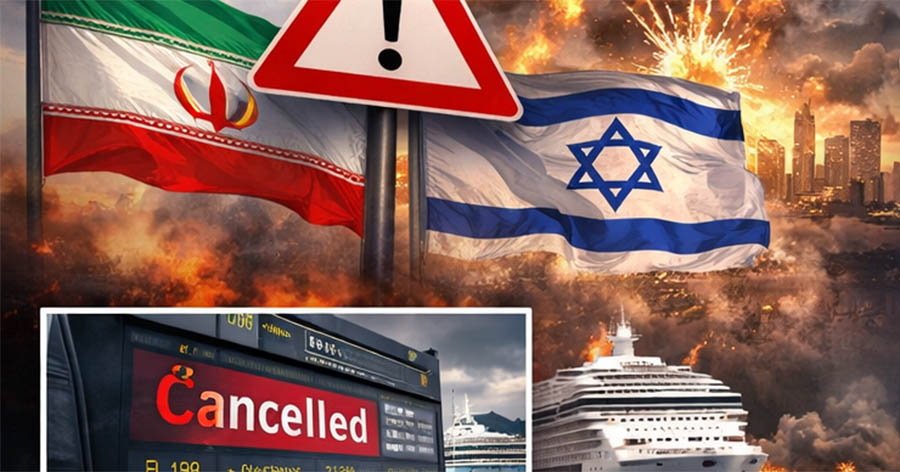
Mangaluru: Escalating tensions in West Asia linked to the Iran–Israel conflict have begun to disrupt travel plans for thousands of expatriates from coastal Karnataka, particularly those hoping to return home for Eid-ul-Fitr. Airspace restrictions, rerouted flights and growing uncertainty over airline schedules have slowed ticket bookings and triggered cancellations across the travel sector.
With Eid-ul-Fitr expected around March 19 or 20, the situation has created anxiety among Non-Resident Indians (NRIs) working in Gulf countries. The period leading up to Eid is traditionally one of the busiest travel seasons of the year, when expatriates rush to return home and airlines increase services on Gulf–India routes.
This year, however, travel agents say many passengers are delaying or reconsidering their plans as they wait for clarity on flight operations.
An expatriate businessman working in Saudi Arabia said his family usually travels to Mangaluru about a week before Eid. “But with airspace closures and uncertainty about flights, our plans may not work out this time. We might have to celebrate Eid here itself,” he said.
Though daily life and Ramadan activities in Saudi Arabia continue largely without disruption, travel agents say many expatriates are postponing bookings until flight availability becomes clearer. Mohammed Ashif, CEO of Expertise Company in Saudi Arabia, said travellers are opting for later dates rather than confirming tickets immediately.
NRIs in other Gulf countries have also expressed concern. Ansar Katipalla, who works in Oman, said expatriates eagerly await festivals as rare opportunities to reunite with family members in India. However, rising ticket prices during peak seasons remain a persistent problem.
“Airfares during festival periods often jump to three or four times the normal rates. Those who can afford it will still travel, but many families struggle,” he said. Katipalla also warned that the ongoing crisis could affect supply chains in Gulf countries that depend heavily on imports, potentially increasing costs and impacting businesses run by expatriates.
Travel agents say if disruptions continue, airlines may introduce special flights to clear passenger backlogs. Priority would likely be given to travellers stranded in transit or those on visit visas, while resident and work-visa holders may wait for additional services depending on urgency.
Meanwhile, the crisis has also hit leisure travel from coastal Karnataka to Gulf destinations. Travel operators in Mangaluru reported a wave of cancellations for trips scheduled over the coming weeks.
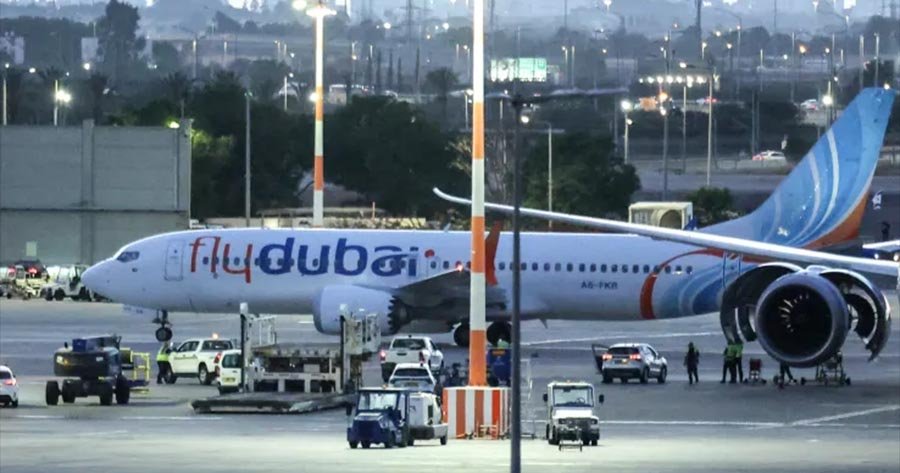
Tour operators said bookings to popular destinations such as Dubai have been cancelled or postponed as travellers weigh safety concerns and the risk of sudden route changes. The disruption has also affected travel to other international destinations that rely on West Asian air corridors.
Travel companies in the city said they have cancelled multiple group tours to the United Arab Emirates planned for April, while bookings for destinations such as Vietnam and Sri Lanka have also been affected due to uncertain flight connectivity.
Cruise tourism linked to Mangaluru port is also facing uncertainty. Industry sources said a passenger cruise carrying more than 600 passengers and around 400 crew members was scheduled to call at the port this week, with additional cruises planned in April and May. Since many cruise itineraries include stops in Gulf ports, operators may alter routes or drop port calls depending on the evolving security situation.
With Eid approaching and regional tensions showing little sign of easing, travellers and travel operators alike remain cautious, closely watching developments that could determine whether long-awaited family reunions and holiday plans can proceed as usual.