CD Web Desk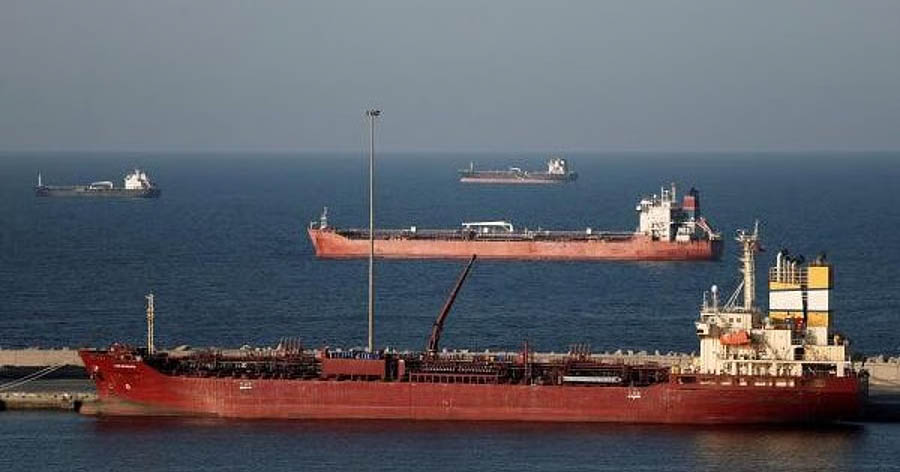
Iran has reversed course on reopening the Strait of Hormuz and reimposed restrictions on the critical waterway, a day after US President Donald Trump said he will continue its naval blockade in “full force”.
Iran’s military command, in a statement, said that Washington had broken a promise by continuing its naval blockade of ships sailing to and from Iran’s ports.
“Until the United States restores freedom of movement for all vessels visiting Iran, the situation in the Strait of Hormuz will remain strictly controlled,” it said.
Tehran said on Friday that the strait was open following a ceasefire in Lebanon that halted Israel’s war with Hezbollah.
However, late on Saturday morning, Iranian state TV, citing the military’s central command, said “control of the Strait of Hormuz has returned to its previous status” and “is under strict management and control of the armed forces”, blaming the ongoing US blockade.
The announcement came after US President Donald Trump said that despite Iran’s decision to reopen the strait on Friday, the American blockade would remain fully in place until Tehran reaches a deal with Washington, including on its nuclear programme.
The Strait of Hormuz is the chokepoint that carries around a fifth of the world’s oil supply. Its closure for nearly two months amid the Iran war affected crude oil prices and supply across many countries.
Meanwhile, Iran partially reopened its airspace on Saturday to international flights crossing the eastern part of its territory.
“Air routes in the eastern section of the country’s airspace are open for international flights transiting through Iran,” the country’s Civil Aviation Authority said, adding that some airports had also reopened at 7:00 am (0330 GMT)
The war, which began with US and Israeli strikes on February 28, has killed at least 3,000 people in Iran, more than 2,290 in Lebanon, 23 in Israel and more than a dozen in Gulf Arab states. Thirteen US service members have also been killed.