CD Web Desk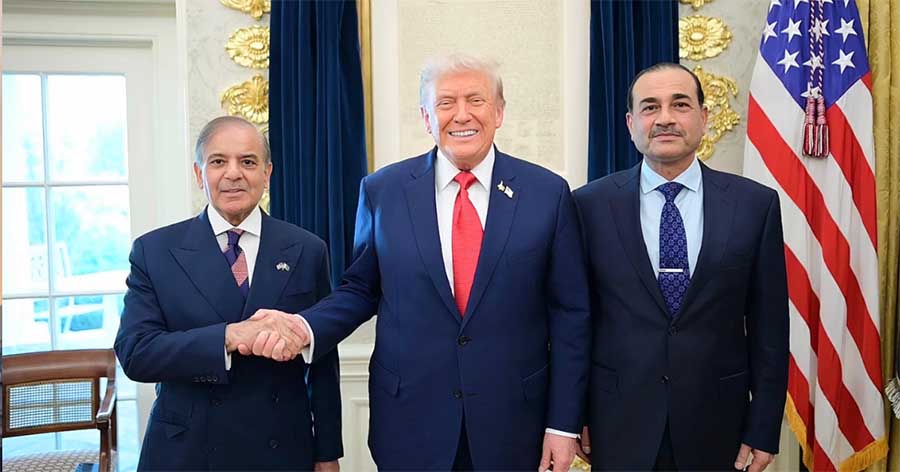
Washington: US President Donald Trump has said he is extending the US-Iran ceasefire without a fixed deadline, citing a request from Pakistan’s leadership. In a statement, Trump said the move would allow more time for diplomatic efforts toward a broader agreement.
He acknowledged outreach from Pakistan’s Prime Minister Shehbaz Sharif and Army Chief Asim Munir, noting their role in urging restraint and continued talks.
Pakistan welcomed the decision, saying the extension would help ongoing diplomatic engagement. Sharif expressed appreciation for the US response and reiterated Islamabad’s support for a negotiated settlement, while also voicing hope that all sides would maintain calm during talks.
Trump indicated that while military readiness would continue, the pause in escalation would remain in place as discussions progress.
Why Pakistan Is Involved
Pakistan has positioned itself as a facilitator, maintaining working ties with both Washington and Tehran. Stability in the Gulf region is also directly linked to Pakistan’s economic interests, particularly energy imports and trade routes.
Analysts say rising oil prices and disruptions in key shipping lanes like the Strait of Hormuz can significantly affect Pakistan’s economy, increasing costs and inflationary pressures.
At the same time, a diplomatic role in de-escalation efforts offers Islamabad an opportunity to strengthen its international standing and highlight its role in regional stability.
Potential Gains — and Risks
A successful outcome could enhance Pakistan’s diplomatic profile and open doors for economic cooperation and investment. Its long-standing links with major global and regional powers, including the US, China, and Gulf nations, have helped it step into this role.
However, observers note that mediation efforts also carry risks. If talks stall, Pakistan could face criticism from different sides, especially given the complex geopolitical dynamics involved.
Wider Impact
For countries like India, any reduction in tensions in the Middle East is broadly positive, particularly for energy security. The longer-term regional implications, however, will depend on how negotiations unfold and the roles played by key stakeholders.
Talks are expected to continue in the coming weeks as diplomatic channels remain active.