CD Web Desk
New Delhi: Indian refiners are avoiding fresh purchases of Russian oil for April deliveries and are expected to stay away from such trades for an extended period, industry and trade sources said, a move widely seen as a response to mounting US pressure as New Delhi negotiates a trade pact with Washington.
The pullback comes days after the US and India announced a framework for a trade agreement they hope to finalise by March, aimed at lowering tariffs and expanding economic cooperation. Behind the scenes, however, the talks have been overshadowed by Washington’s use of punitive tariffs to force compliance with its foreign policy priorities.
State-run Indian Oil Corporation and Bharat Petroleum, along with private refiner Reliance Industries, are not accepting offers from traders for Russian crude loading in March and April, according to a trader who approached the companies. Refining sources said some Russian oil cargoes for March had already been scheduled, but most refiners have now halted fresh buying.
The companies and the petroleum ministry did not respond to requests for comment. India’s trade minister referred queries on Russian oil imports to the Ministry of External Affairs.
A foreign ministry spokesperson said India’s strategy is to diversify energy sources “in keeping with objective market conditions and evolving international dynamics” to ensure energy security for the world’s most populous nation—a carefully worded response amid growing external pressure.
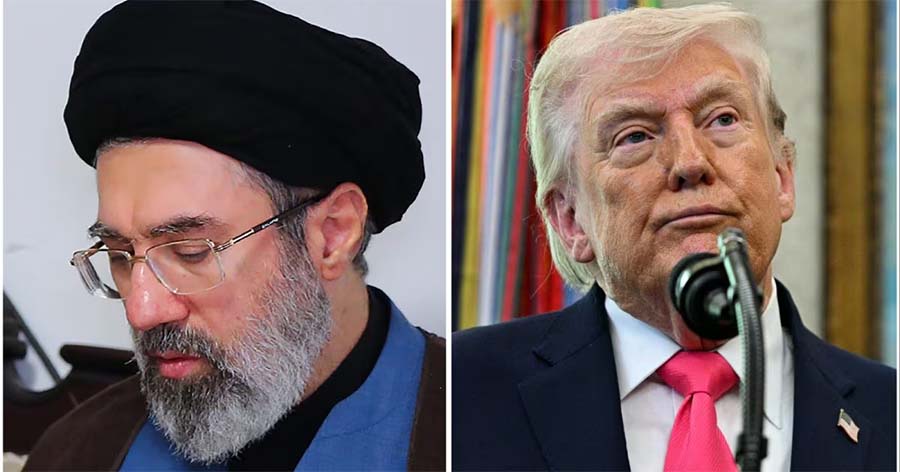
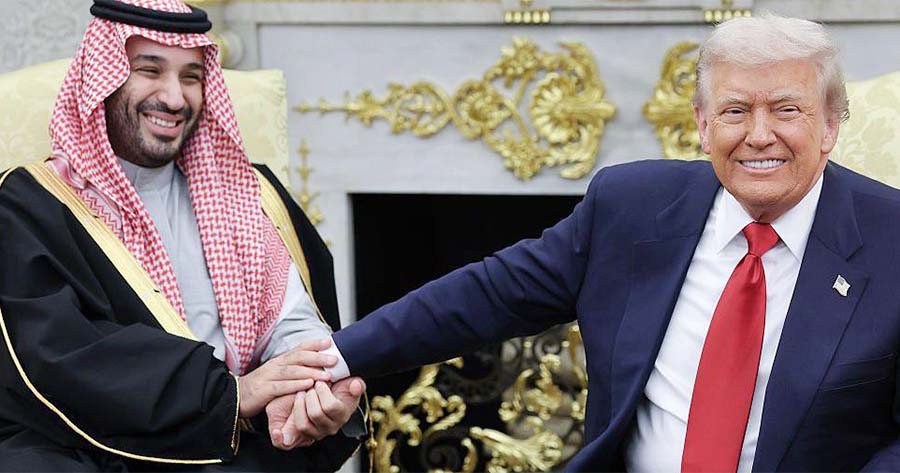
While the joint US–India statement on the trade framework made no mention of Russian oil, US President Donald Trump openly linked trade concessions to India’s energy choices. Trump said he had rescinded a 25 per cent tariff imposed on Indian goods over Russian oil purchases because New Delhi had “committed to stop directly or indirectly” importing Russian crude.
India has made no public announcement confirming any such commitment.
Since Russia’s invasion of Ukraine in 2022, India has become the largest buyer of discounted Russian seaborne crude, drawing sharp criticism from Western capitals that imposed sweeping sanctions on Moscow’s energy sector to choke off war funding. New Delhi has consistently defended its purchases as essential for price stability and energy security.
One notable exception among refiners is Nayara Energy, a Russia-backed private company that depends entirely on Russian oil for its 400,000-barrel-per-day refinery. Sources said Nayara may be permitted to continue buying Russian crude as alternative suppliers retreated after the European Union sanctioned the refiner in July. Nayara, however, does not plan to import Russian oil in April due to a month-long maintenance shutdown, according to a source familiar with the matter. The company did not respond to an email seeking comment.
Sources said Indian refiners could resume Russian oil purchases only if directed by the government. Trump’s order made clear that US officials would monitor India’s actions and recommend reimposing tariffs if Russian oil imports resume—underscoring Washington’s use of trade penalties as leverage.
Last month, sources said India was preparing to cut Russian oil imports below 1 million barrels per day by March, with volumes eventually falling to 500,000–600,000 bpd, down from an average of 1.7 million bpd last year. Imports had crossed 2 million bpd in mid-2025.
Trade and industry data show India’s Russian crude intake fell to a two-year low in December. As the world’s third-largest oil consumer and importer scales back under external pressure, refiners are increasingly turning to Middle Eastern, African and South American suppliers.