CD Web Desk
In the rubble of what was once a cheerful elementary school in southern Iran, a father stood frozen, clutching a small pink school bag soaked in blood.
He kissed it gently before opening it with trembling hands. Inside were notebooks filled with neat handwriting, unfinished homework, and childish drawings. His daughter would never return to claim them.
She was among 165 children killed when a strike attributed by Iranian officials to the United States and Israel hit the Shajareh Tayyebeh elementary school in Minab, located in Hormozgan province, on Saturday morning.
A School Reduced to Rubble
Local authorities in Minab said the two-story building — which housed boys’ classes on the ground floor and girls’ classes above — was completely destroyed. Nearly 100 others were reported injured, including students, teachers, and parents who had gathered at the school.
The school had been known in the town for its bright murals and modest courtyard swing. Its classrooms were decorated with children’s artwork, and its walls echoed daily with recited lessons and laughter.
Within moments, that familiar soundscape was replaced by smoke, sirens, and the anguished cries of families searching through debris.
Iranian officials described the site as a civilian educational facility with no military presence. Images shared online showed shattered concrete, scattered textbooks, and scorched desks.
National Grief
Iran’s President, Masoud Pezeshkian, called the incident a “heartbreaking tragedy,” saying the deaths of so many schoolchildren had “grieved the hearts of all Iranians.”
Foreign Minister Abbas Araghchi condemned the strike as a violation of international norms protecting civilians, writing that the building was “bombed in broad daylight, when packed with young pupils.”
Hossein Kermanpour, spokesperson for Iran’s Health Ministry, said rescue teams continued to search the ruins, warning that the death toll could rise as more bodies were recovered.
Questions Under International Law
Under the Geneva Conventions and the Rome Statute of the International Criminal Court, direct attacks on civilians and civilian infrastructure are prohibited and may constitute war crimes.
Iranian officials have described the Minab strike as part of a broader pattern of hostilities in the region, accusing Washington and Tel Aviv of targeting civilian centers. Those allegations have not been independently verified.
International organizations have repeatedly raised concerns over the protection of children in armed conflict zones worldwide, urging all parties to adhere strictly to humanitarian law.
A Town in Mourning
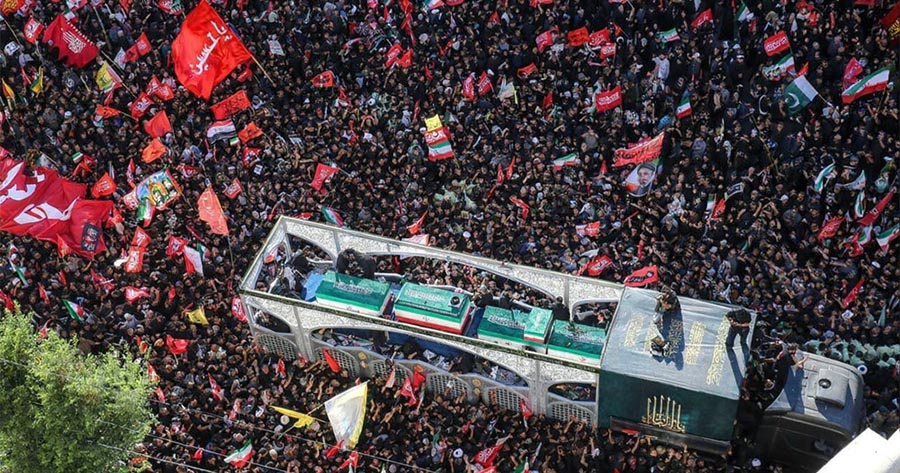
As funerals began across Minab, the town’s grief was visible in shuttered shops and black banners draped along narrow streets.
At the edge of the ruins, the father with the pink school bag remained seated long after others had left. Around him lay broken bricks and torn pages — fragments of a childhood interrupted.
For families in Minab, the tragedy is not measured only in numbers. It is measured in empty chairs at dinner tables, silent classrooms, and dreams that ended beneath concrete and dust.