CD Web Desk
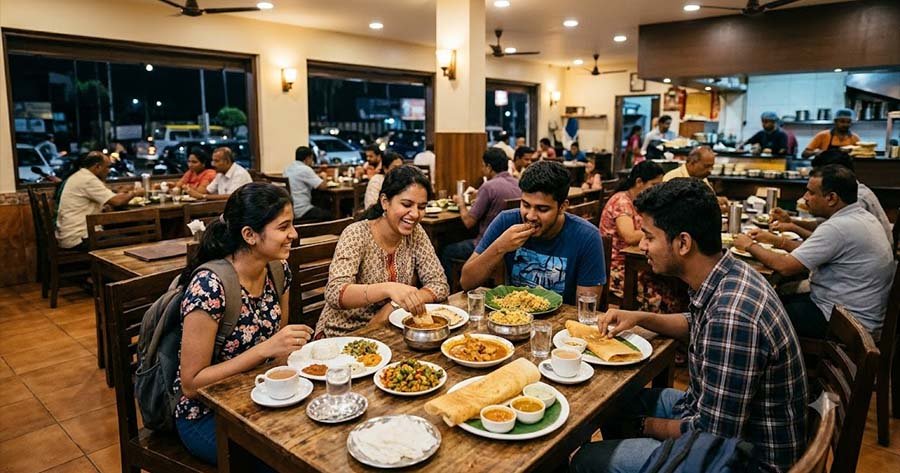
Mangaluru: Eating out in Mangaluru could soon become more expensive, with hotels and restaurants considering a 5-10% increase in food prices. The latest Rs 8 per litre hike in Nandini milk prices, along with rising costs of essential groceries and cooking fuel, has added to the financial pressure on the hospitality industry.
The revised milk prices came into effect on November 1. Hotel owners say the increase will affect the cost of preparing several food items, particularly tea, coffee and dishes made using milk and curd.
Dakshina Kannada Hotels and Restaurants Association (DKHRA) president Kudpi Jagadish Shenoy said the association would discuss the impact of the price revision at its next meeting. Hotels may consider increasing menu prices by around 10%, depending on their expenses.
He said the association had discussed a possible menu price revision during the previous milk price hike as well, but had decided against implementing it at the time. However, the continued rise in grocery prices has made it increasingly difficult for establishments to absorb the additional costs.
DKHRA secretary Devi Prasad said there would not be a common price increase across all hotels. Individual establishments would decide whether to revise their rates based on their operating expenses and existing menu prices.
He pointed out that tea and coffee prices already vary considerably across hotels. While some establishments charge Rs 20-25, others charge Rs 35-40. Hotels selling these items at lower rates have limited room to absorb further cost increases or raise prices significantly.
The increase in grocery prices has added to the burden. According to Prasad, toor dal and urad dal, which earlier cost Rs 120-130 per kg, now sell for around Rs 150 per kg.
Onion prices have increased from about Rs 20 per kg to Rs 50-53 per kg and have remained at that level for nearly three months. Rice prices have also risen sharply, from Rs 50-52 per kg to around Rs 85 per kg. Some varieties could touch Rs 100 per kg.
Hoteliers are also concerned about a possible Rs 200-300 increase in LPG cylinder prices, which would further raise kitchen expenses.
Prasad said hotel owners had avoided increasing menu prices during October because of the festive season. However, business has slowed since the festivities ended, while tourist activity has also declined, making it harder for establishments to manage rising expenses.
He warned that the growing cost of running hotels could push some establishments into losses. Overall, food prices could increase by 5-10%, though the actual revision would depend on individual hotels.
Caterers also plan to revise rates
The catering industry is facing similar challenges, with higher milk, curd, rice and fuel costs affecting the preparation of meals for events and functions.
A Ashwatham Hegde, proprietor of Tulunadu Food Catering Services and executive member of the Dakshina Kannada Catering Owners Association, said the Rs 8 per litre increase in milk prices would have a considerable impact on caterers because milk and curd are used in large quantities.
“Milk and curd are major items for us. Given the quantity we use, the increase will significantly affect the catering industry. Prices will definitely have to be increased, even if only slightly. A 5-10% increase is certain,” he said.
Hegde said catering establishments would have to recalculate their overall costs before deciding on the revised rates. Rice prices, in particular, have become difficult to predict, as they change almost every day.
He added that any further increase in fuel and LPG prices would put additional pressure on caterers, leaving them with little option but to pass on at least part of the increased costs to customers.