CD Web Desk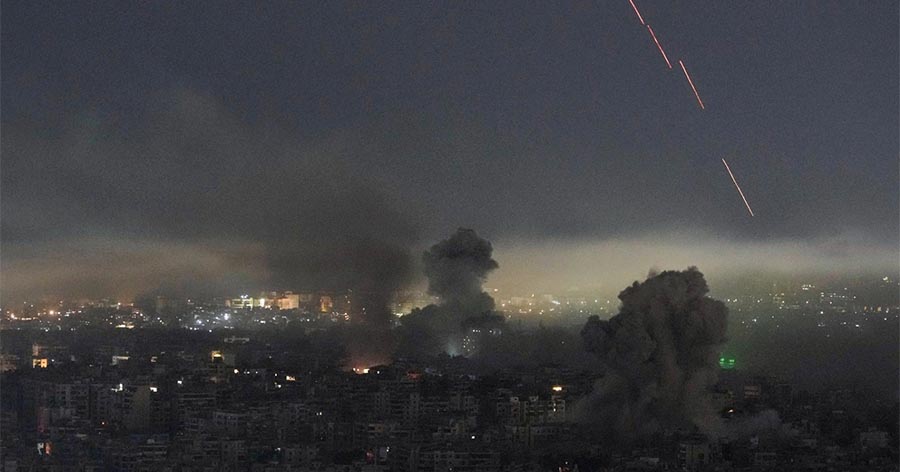
Doha: Qatar’s liquefied natural gas (LNG) supplies have been significantly disrupted following recent regional hostilities linked to the ongoing Iran–US–Israel conflict, with officials warning of prolonged impacts on global energy markets, including key importers such as India.
Saad al-Kaabi, CEO of QatarEnergy and Qatar’s Minister of State for Energy Affairs, said that about 17% of the country’s LNG export capacity has been affected. The disruption could lead to an estimated $20 billion in annual revenue losses.
According to al-Kaabi, around 12.8 million tonnes per year of LNG production capacity may remain offline for three to five years due to damage to critical infrastructure. This is expected to impact supplies to major consumers across Europe and Asia, including China and India.
The developments follow a broader escalation in the region, after Iran launched strikes in response to earlier attacks on its own gas infrastructure. In this context, energy facilities across the Gulf have come under strain, raising concerns over supply stability.
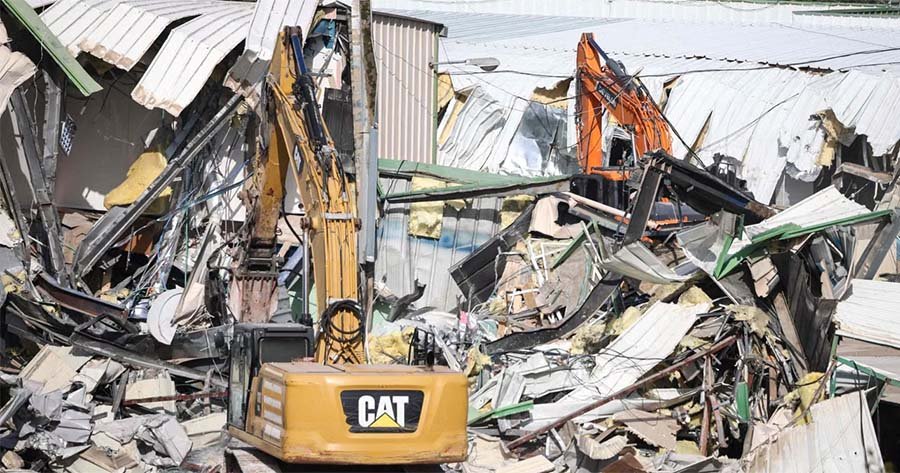
At least two of Qatar’s 14 LNG production units and one gas-to-liquids (GTL) facility sustained damage in recent days. Following this, QatarEnergy has indicated that it may invoke force majeure on several long-term supply contracts.
The affected contracts include shipments to countries such as Italy, Belgium, South Korea, and China. “These are long-term agreements, and the situation may require extended force majeure depending on how long recovery takes,” al-Kaabi said.
The situation intensified after a missile strike targeted Ras Laffan, Qatar’s largest LNG facility, prompting a broader halt in production. “For operations to resume, stability in the region is essential,” al-Kaabi noted.
Industry partners including ExxonMobil and Shell are involved in the affected facilities. Repair timelines vary, with some units expected to take up to a year or more to restore.
Beyond LNG, the disruption is expected to impact other exports. Initial estimates suggest condensate shipments could fall by 24%, LPG by 13%, helium by 14%, and naphtha and sulphur by around 6%.
These changes may have downstream effects globally—from LPG supplies used in Indian households and restaurants to helium supplies critical for semiconductor manufacturing in countries like South Korea.
India, which imports roughly one-fifth of its natural gas from Qatar, could see short-term supply adjustments as the situation evolves.
Officials also indicated that work on Qatar’s North Field expansion project has paused temporarily and could face delays of over a year.
Energy experts have emphasised the need to keep oil and gas infrastructure insulated from geopolitical tensions, warning that prolonged disruptions could have far-reaching consequences for global energy security.