CD Web Desk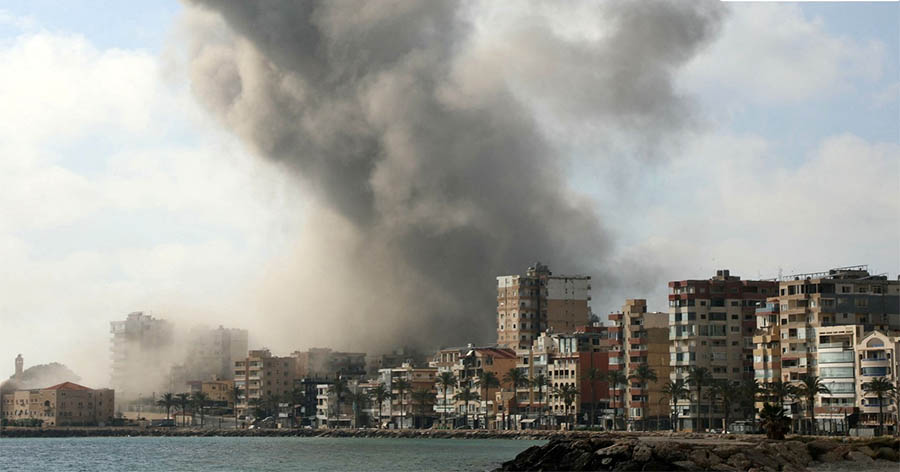
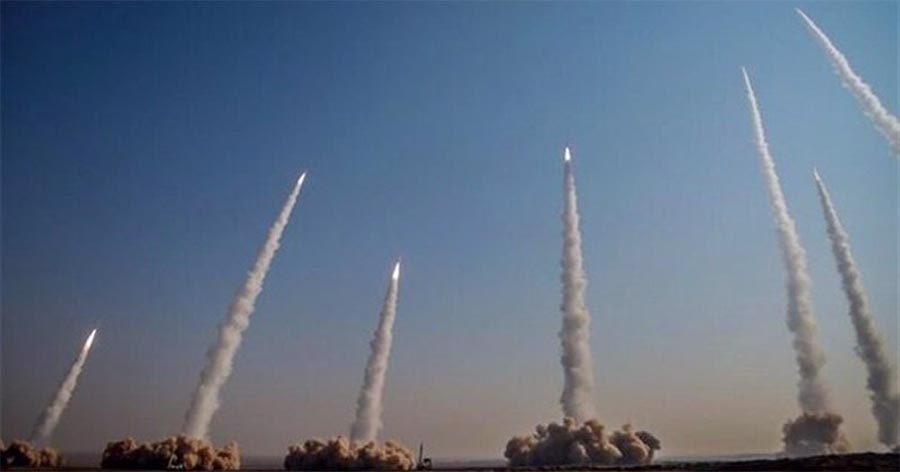
Israel’s military said Iran launched a second wave of missiles towards its territory, with sirens sounding across the country. The missile launches came after Israeli attacks on Iran, with explosions reported in Tehran, Tabriz and Isfahan, as tensions sharply escalated following Israel’s strike on the southern suburbs of Beirut that killed at least two people and wounded 20 others.
Iran launched a wave of missiles at northern Israel following the Beirut attack, accusing Israel of repeatedly violating ceasefire agreements and escalating hostilities across the region.
Tehran’s IRNA news agency reported that at least “two powerful explosions” were heard in the Iranian capital, while additional explosions were reported in the cities of Isfahan, Karaj and Tabriz.
The Israeli military said it had struck the Mahshahr Petrochemical Plant in Iran. Iran’s Revolutionary Guard said it retaliated by launching attacks on the Israeli airbases at Nevatim and Tel Nof.
Iran closed the airspace around Tehran’s Imam Khomeini International Airport, the country’s main international gateway, following the Israeli attack. Data from Flightradar24 showed civilian airspace largely emptied from Israel to Iran as both sides exchanged strikes.
Tehran also warned that US military bases in the Gulf could be considered legitimate targets if Israeli attacks on Iranian territory continue, according to Reuters.
Iran had earlier warned that an Israeli attack on Beirut could reignite a wider regional conflict, even as Pakistan and other mediators sought to revive talks between Tehran and Washington. “US forces across the Middle East remain vigilant and ready,” the US Central Command posted on X shortly before the missile launches.
Israel’s attack on Beirut came only days after Lebanese and Israeli officials agreed to a ceasefire framework during US-hosted talks, although Hezbollah rejected the arrangement. The strike on a residential building killed two people and wounded 20 others, according to Lebanon’s Health Ministry.
“The army will continue to act in all of Lebanon,” an Israeli military spokesperson said, signaling the possibility of further military operations despite growing international concerns over regional escalation.