CD Web Desk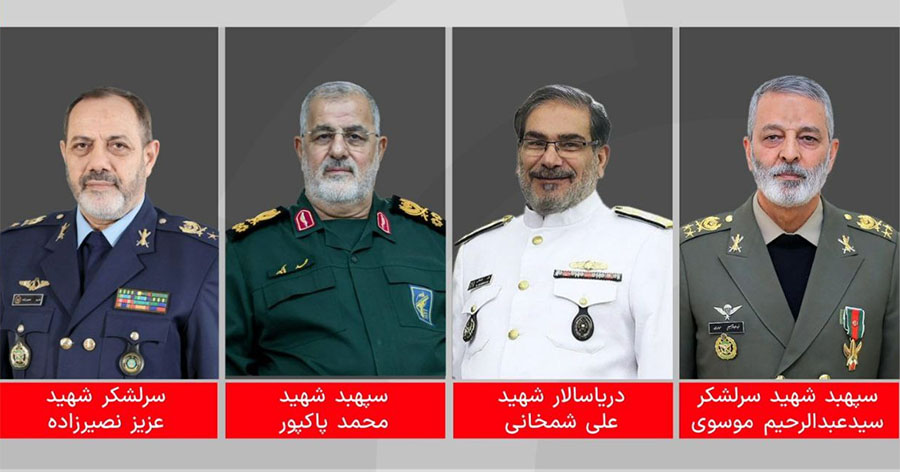
Iran’s chief of army staff and its defence minister were killed in an airstrike targeting a meeting of the country’s defence council, several agencies reported on Sunday, citing Iranian state television.
According to the report, Gen. Abdol Rahim Mousavi and Defence Minister Gen. Aziz Nasirzadeh were killed in the strike, along with the head of Iran’s paramilitary Revolutionary Guard and security adviser Ali Shamkhani, whose deaths had been announced earlier on Sunday.
US President Donald Trump warned Iran on Sunday not to escalate its attacks, saying Washington would respond with overwhelming force if Tehran carried out further strikes.
“Iran just stated that they are going to hit very hard today, harder than they have ever hit before,” Trump wrote on Truth Social. “THEY BETTER NOT DO THAT, HOWEVER, BECAUSE IF THEY DO, WE WILL HIT THEM WITH A FORCE THAT HAS NEVER BEEN SEEN BEFORE!”
His comments came after Iran acknowledged the killing of Supreme Leader Ali Khamenei in a joint Israeli-American airstrike on Saturday. Trump described the moment as a turning point, saying it was “the single greatest chance for the Iranian people to take back their Country.”
Iran’s Cabinet vowed the “great crime will never go unanswered,” while the paramilitary Revolutionary Guard threatened its “most intense offensive operation” ever against Israeli and American targets.
Iran launches retaliatory strikes
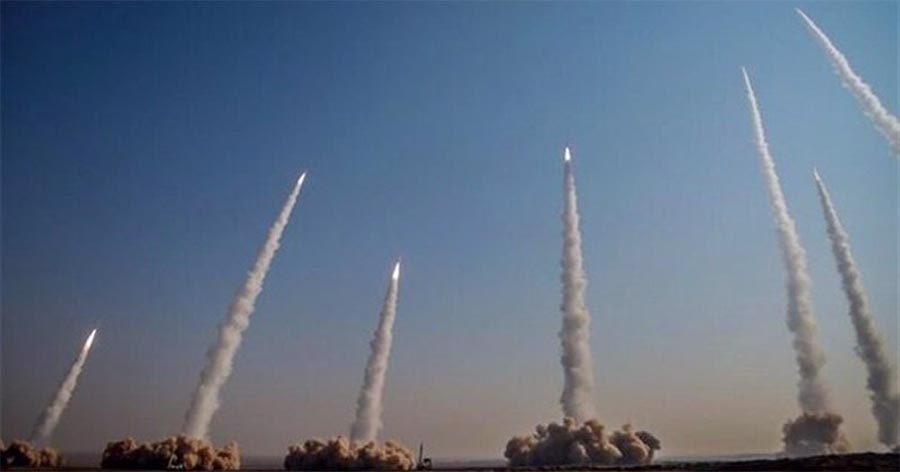
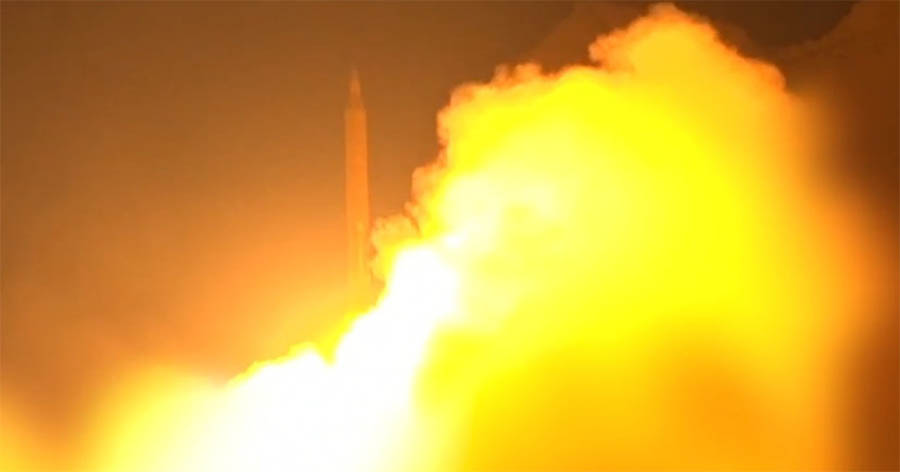
Iran fired missiles and drones toward Israel and US military installations in Bahrain, Kuwait and Qatar after vowing massive retaliation for Khamenei’s killing. The Israeli military said dozens of missiles were launched, many of which were intercepted. Israel’s Magen David Adom rescue service reported that a woman died after being wounded in a missile strike in the Tel Aviv area.
Airspace disruptions spread across the Middle East, with explosions reported over Dubai. Shrapnel from missile interceptions caused fires in parts of the United Arab Emirates, while Saudi Arabia and Jordan said they had intercepted projectiles targeting their territories.
The escalation has heightened fears of a wider regional war and potential disruption to global oil markets, particularly if tensions threaten shipping through the Strait of Hormuz, a key route for global energy supplies.