CD Web Desk
Israel’s upcoming election is unlikely to bring a fundamental change in its approach to Iran or the Palestinians, with military action expected to remain central to its regional strategy, according to policymakers and analysts.
The strategic outlook of Israel’s political and military establishment has hardened following the October 7, 2023, Hamas attacks and subsequent wars in Gaza, Lebanon and Iran. Analysts say the main differences between political parties concern the intensity of military operations, settlement expansion in the occupied West Bank and the willingness to pursue diplomacy.
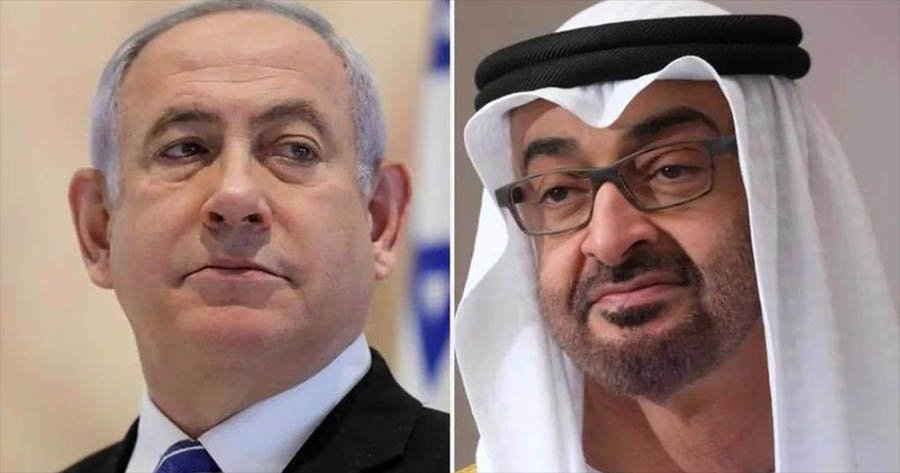
A victory for Prime Minister Benjamin Netanyahu, backed by far-right coalition partners, could lead to a more aggressive approach towards Iran and further expansion of Israeli settlements.
Former Netanyahu adviser Aviv Bushinsky said a Netanyahu victory would likely mean continued conflicts with Iran, Hamas and Hezbollah, alongside further settlement expansion.
Netanyahu said on Sunday that Israel must prioritise offensive action and prevention over containment and defence, including pre-emptive strikes against emerging threats.
Little prospect of policy shift
The election pits Netanyahu’s right-wing Likud party and its ultranationalist allies against an opposition led by former military chief Gadi Eisenkot’s Yashar party.
Palestinian analyst Ghassan Al-Khatib said a change of government would be unlikely to produce a fundamental shift in policy towards Palestinians, given the broad political opposition to Palestinian statehood and continued support for settlements.
An opposition-led government might attempt to improve Israel’s international standing by addressing some settler violence or pursuing settlement expansion less openly, but the underlying policies would largely remain unchanged, he said.
Michael Young of the Carnegie Middle East Center said Israel’s political and security establishments shared a strategic outlook centred on confronting Iran, maintaining military deterrence and extending defence measures beyond its borders.
Joost Hiltermann of the International Crisis Group warned that escalating settler violence, Palestinian frustration and the absence of a credible political pathway had created conditions in which a relatively minor incident could trigger a wider uprising.
Iran remains central to regional tensions
Netanyahu has made clear that his ambitions towards Iran extend beyond limiting its regional influence. Speaking at a military officer graduation ceremony, he said removing Iran’s leadership was necessary to eliminate what Israel considers a major security threat.
However, analysts question whether military action alone can compel Tehran to abandon its core security interests. Iran has endured months of conflict, while groups aligned with it across the region have continued to operate despite setbacks suffered by Hezbollah in Lebanon and Hamas in Gaza.
Young described the confrontation as a potential quagmire, suggesting Iran could outlast its adversaries. Analysts also warn that the conflict could strengthen Tehran’s determination to pursue a nuclear deterrent.
The prospect of continued confrontation presents a dilemma for Gulf countries, which have concerns about both Iran’s regional influence and Israeli military operations.
Abdulaziz Sager, chairman of the Gulf Research Center, criticised Israeli policies in Gaza, the West Bank, Syria and Lebanon while arguing that a negotiated settlement with Iran was necessary to prevent further escalation.
The election, therefore, may determine the intensity of Israel’s regional military campaigns, but analysts see little indication of an early shift towards resolving the underlying conflicts through diplomacy.