CD Web Desk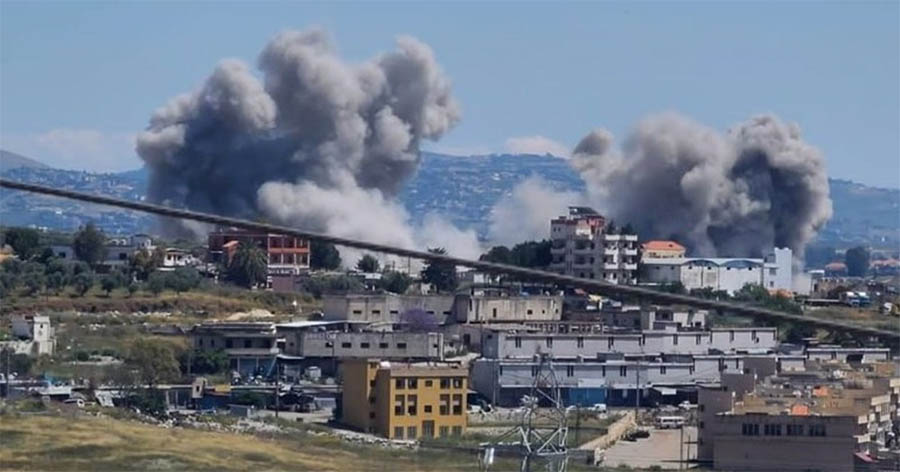
Israeli airstrikes across southern Lebanon killed at least 16 people overnight, according to Lebanese state media, intensifying fears that Israel’s continued military campaign could derail emerging efforts to secure a broader regional peace agreement.
The attacks, which Israel said were part of ongoing operations against Hezbollah, came despite a recently announced understanding between Iran and the United States aimed at halting hostilities across multiple fronts in the Middle East. The agreement reportedly called for an immediate cessation of military operations, including in Lebanon, and emphasized respect for Lebanon’s sovereignty and territorial integrity.
Residents of southern Lebanon once again found themselves under bombardment as explosions rocked towns and villages already scarred by months of conflict. Lebanese reports described a night of intense violence, with civilians caught in the path of repeated airstrikes.
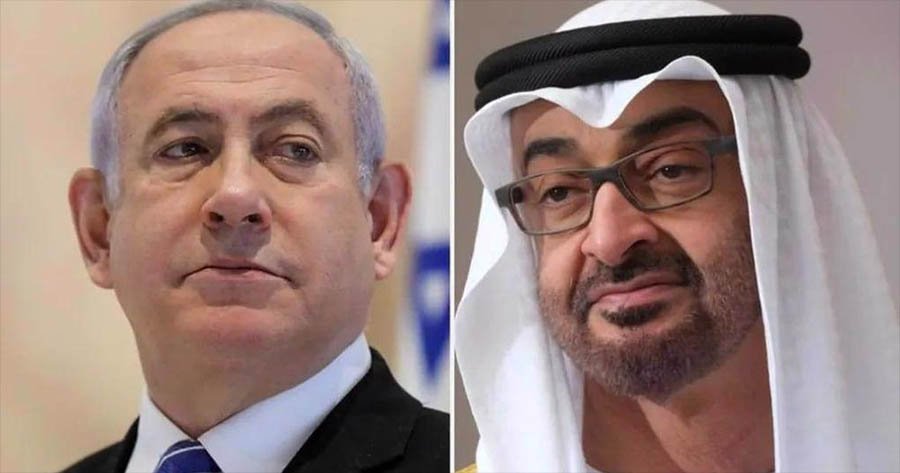
Israeli Prime Minister Benjamin Netanyahu has refused to commit to a withdrawal from Lebanese territory, insisting that military operations will continue until Hezbollah is neutralized. Critics argue that the stance risks prolonging instability, deepening civilian suffering, and undermining diplomatic efforts aimed at preventing a wider regional war.
The escalation has also cast a shadow over planned negotiations between Iran and the United States in Switzerland. Talks intended to build on the recently announced agreement were postponed after U.S. Vice President JD Vance delayed his scheduled trip. While the White House cited logistical reasons, reports in regional media suggested Iran was reluctant to proceed while Israeli military operations in Lebanon continued unabated.
The timing has raised questions about Washington’s ability to enforce or sustain diplomatic commitments while its closest regional ally continues military actions that appear to contradict the spirit of de-escalation.
President Donald Trump signed the initial agreement with Iran on Wednesday alongside French President Emmanuel Macron at the Palace of Versailles. However, hopes that the accord could mark the beginning of a broader reduction in regional tensions have been challenged by the renewed violence in Lebanon.
For many observers, the latest strikes underscore a recurring pattern in which diplomatic breakthroughs are quickly overshadowed by military escalation, leaving civilians to bear the heaviest burden of a conflict with no clear end in sight.