CD Web Desk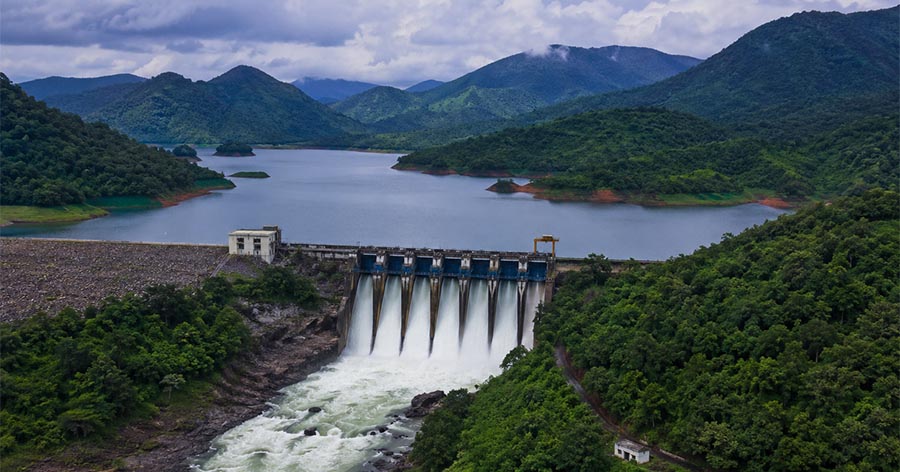
Mangaluru: Concerns have once again been raised over the Yettinahole river diversion project, with critics warning that it could seriously impact water availability in coastal Karnataka, particularly during peak demand periods.
Aam Aadmi Party (AAP) State vice-president Vivekananda Salins said Mangaluru’s water supply is heavily dependent on the Thumbe vented dam, which draws from the Netravathi river system. He cautioned that diverting water through Yettinahole could reduce downstream flow and, in extreme conditions, even threaten the river’s seasonal stability.
Salins alleged that experts have repeatedly flagged the project’s ecological risks, particularly its potential impact on the fragile biodiversity of the Western Ghats. However, he said the government had not carried out comprehensive downstream impact assessments or presented alternative water solutions to address public concerns.
He also pointed to the project’s rising costs and delays. Originally estimated at around ₹9,000 crore when launched in 2012, the Yettinahole project has reportedly escalated to nearly ₹16,000 crore, with projections suggesting it could exceed ₹23,000 crore as completion timelines stretch further.
According to him, the project’s initial objective of filling the Vani Vilas Sagar reservoir near Chitradurga remains unfulfilled, even as the government continues to maintain that 24.01 TMC of water will eventually be diverted to supply seven districts, including Bengaluru Rural.
Salins further criticised the lack of parallel investment in local water conservation measures such as rainwater harvesting and check dams, especially in regions like Kolar that have experienced relatively good rainfall in recent years. He also remarked that opposition from elected representatives has weakened over time.
Drawing comparisons with neighbouring states, he cited Goa’s successful legal resistance to the Mahadayi project, backed by scientific studies, and said AAP intends to push for similar independent, in-depth assessments of the Yettinahole project.
As part of a growing public campaign, activists have begun mobilising citizens—including students, environmentalists, influencers, and women—to voice concerns ahead of an interaction planned with MP Captain Brijesh Chowta on June 27. Campaign materials circulating on social media describe the project as a threat to “water, land, security, and future,” urging public participation in raising objections.