CD Web Desk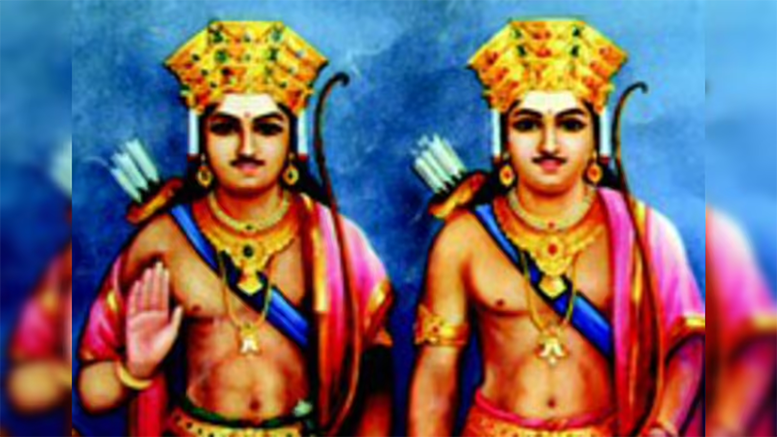
By B T SALIAN KASHYAP
The Billavas, numbering over 20 lakh, are an indigenous community of the undivided coastal district of Dakshina Kannada. Traditionally, they were paddy-growing farmers, deeply rooted in the agrarian life of Tulunadu. Over the decades, a significant section of the community has migrated to cities such as Mumbai, Bengaluru, Baroda and Ahmedabad in search of better livelihood opportunities. Many have also moved to Gulf countries for employment.
Despite living far from their homeland, Billavas continue to maintain strong emotional and cultural ties with their roots. They take pride in their mother tongue, Tulu, and actively preserve their traditions and customs, regardless of geographical distance.
Historically, Billavas have displayed remarkable versatility and skill across various fields. They played a vital role in performing religious rituals at shrines of local deities, popularly known as Daivas. This responsibility was considered a natural calling, and as a result, they earned respect in society and came to be known as Pujaris.
The community was also known for its deep knowledge of medicinal plants. Billavas collected herbs from forests and prepared medicines using traditional methods. Historical records mention several instances where Billava Vaidyas successfully treated members of the ruling class, particularly the Ballals, earning admiration for their healing skills.
In addition, Billavas were adept warriors and skilled hunters, proficient in the use of the bow and arrow. The very name Billava is believed to have originated from Billu, the local word for bow. Their courage, loyalty and martial abilities earned them key positions in the armies of local rulers, where many were appointed as Halepaikas (commanders).
Several old writings refer to Billavas as Kshatriyas, though there is limited documentary evidence to conclusively establish this classification. In later periods, they were categorised as Shudras by proponents of the Varnashrama system, a classification that remains contested. It is noteworthy that the Vedas themselves do not explicitly categorise the Billavas under any specific varna. This remains a subject of historical and social debate.
Another commonly cited identity associated with the Billavas is toddy tapping. Historically, toddy tapping was practised as a supplementary occupation and not as a primary livelihood. Toddy and jaggery derived from it were widely consumed, including by upper-caste sections of society, and were considered healthy traditional products.
Billavas have a long history of bravery and sacrifice. They fought valiantly for their rulers and also defended their palayas (smaller kingdoms) and native land. At the same time, they were known to be God-fearing, respectful towards elders and fair in their dealings. However, they did not tolerate deceit or discrimination, and historical accounts mention strong resistance when injustice was inflicted upon them.
A well-known adage in Tulunadu — “Birve Saaruve, Neruve, Kerve” — symbolically reflects this nature. While often quoted, it must be understood in its historical context and not interpreted literally in modern times.
With changing times, the Billava community has undergone significant transformation. Education has played a crucial role in this evolution. Urban Billavas, in particular, have made notable progress and are employed across government services, private enterprises and professional sectors.
At this juncture, the words of Brahmashree Narayana Guru resonate strongly: “Unite that you may be strong; educate that you may be free.” These words continue to inspire the Billava community.
Certain myths associated with the community, such as the saying “Birvere ulayi irver” (two persons within one Billava), likely originated from legendary twin warriors like Koti-Chennayya and Kanthabare-Boodabare, whose inseparable bond was misinterpreted over time. Such notions deserve to be viewed through a historical and cultural lens rather than as literal character traits.
While urban Billavas have progressed on par with other communities, sections of the rural population still face socio-economic challenges. These issues stem not from lack of ability, but from limited access to education and guidance.
Focused efforts by political representatives, community leaders and socially active organisations are essential to uplift rural Billavas. Awareness about education, skill development and government-supported initiatives such as Gramabhivriddhi schemes, dairy development, organic manure production and cattle-fodder cultivation can significantly improve livelihoods.
With timely support and collective effort, the Billava community — rich in history, resilience and cultural strength — can continue its forward march while preserving its unique legacy.