CD Web Desk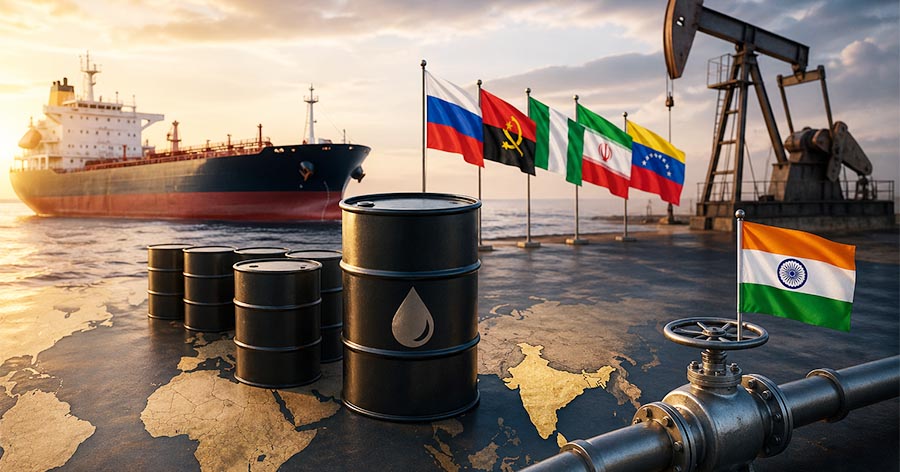
Mumbai: India is expanding oil purchases from Russia and strengthening supplies from Africa, Iran, and Venezuela to manage disruptions linked to tensions in the Middle East, analysts say.
The world’s third-largest crude importer typically sources about half its oil via the Strait of Hormuz, a key route now seeing sharply reduced traffic since late February. With high import dependence and relatively limited reserves compared to countries like China, analysts caution that India remains exposed to global price swings.
Despite some strain on cooking gas supplies, India has avoided the fuel shortages seen in parts of the region. Ship-tracking data suggests refiners have bridged part of the gap by deepening ties with existing partners and reviving older supply channels.
Russian crude has played a central role. Imports rose to nearly 1.98 million barrels per day in March, up significantly from earlier months, supported in part by a temporary US waiver covering shipments already in transit. Additional contracted volumes are expected through April, giving refiners short-term flexibility.
At the same time, India has increased intake from African producers. Supplies from Angola surged in March, while flows from Nigeria picked up in April—moves that analysts say are now proving timely as Middle Eastern shipments decline.
Crude from Iran and Venezuela has also re-entered the mix, offering refiners more options amid shifting market conditions.
Even with this diversification, challenges remain. Total crude imports fell in March, and analysts note that African grades cannot fully replace Middle Eastern oil due to refinery compatibility differences. Costs are also rising, with recent cargoes priced above global benchmarks.
For now, retail fuel prices remain unchanged, supported by government measures. However, analysts warn that sustained global pressures could eventually translate into higher domestic prices.
Officials say efforts continue to shield consumers, even as state-run fuel companies absorb mounting costs in a volatile global energy market.